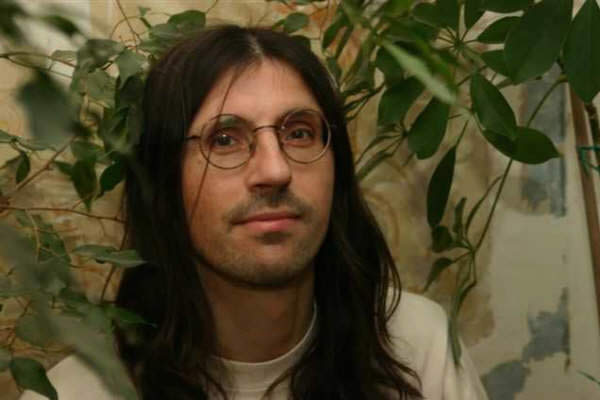
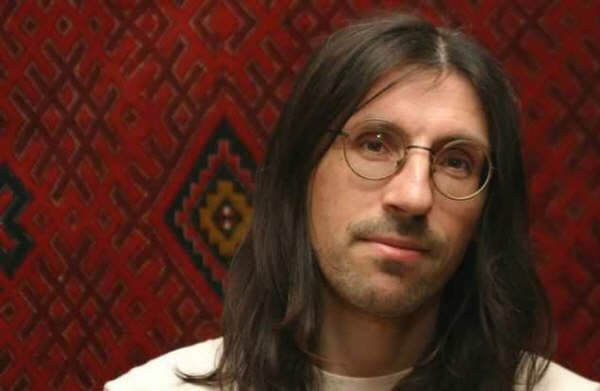
Johan Vanhecke is a Belgian author with a longstanding interest in Tolkien’s books and their Dutch editions. In this September 2026 update, he reflects on his Tolkien collection, his revised book In de ban van hobbits en elfen, and his continuing passion for collecting other authors. His original collector interview is preserved below.
Collector Profile: Johan Vanhecke
Updated September 2026
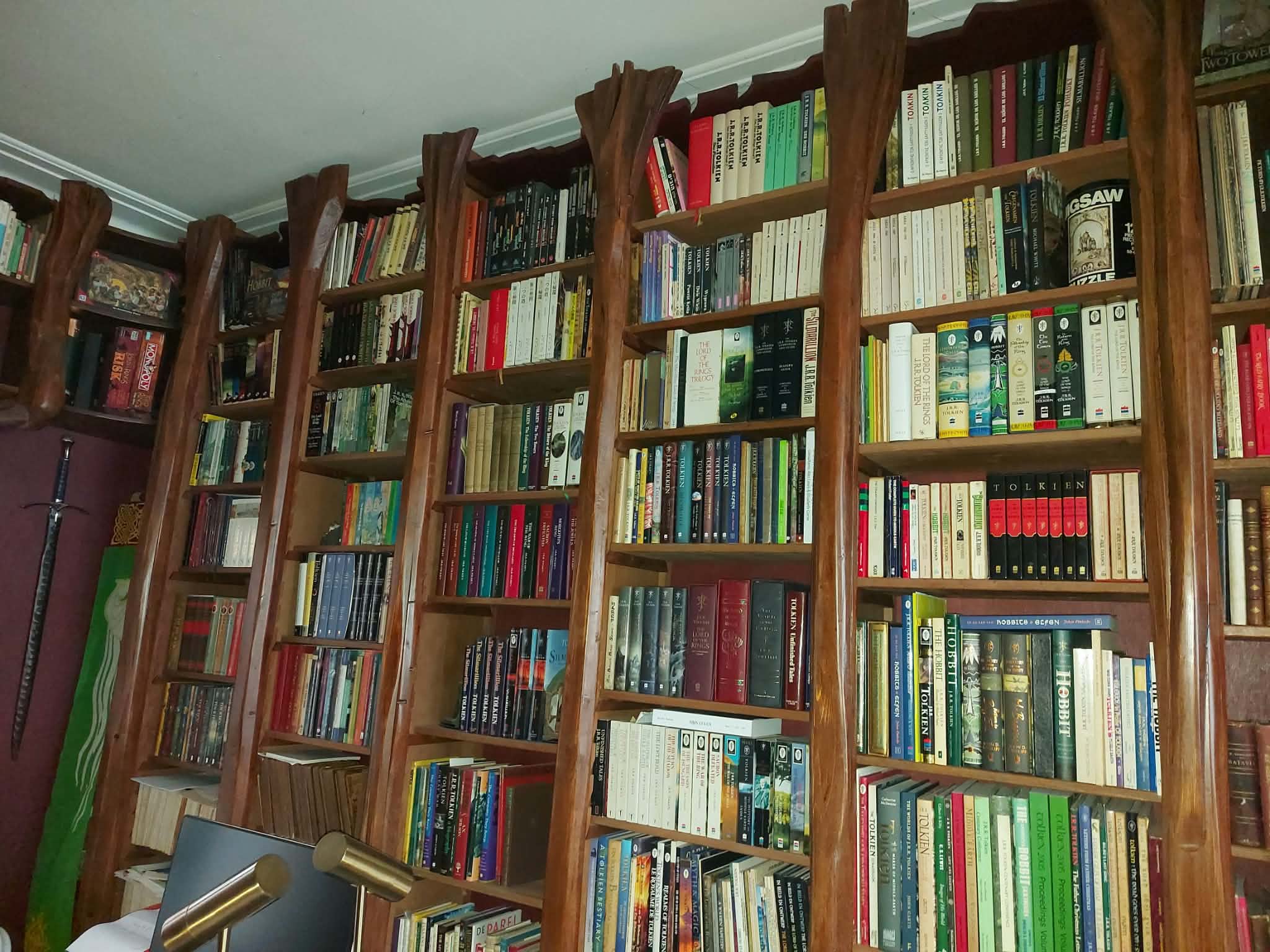
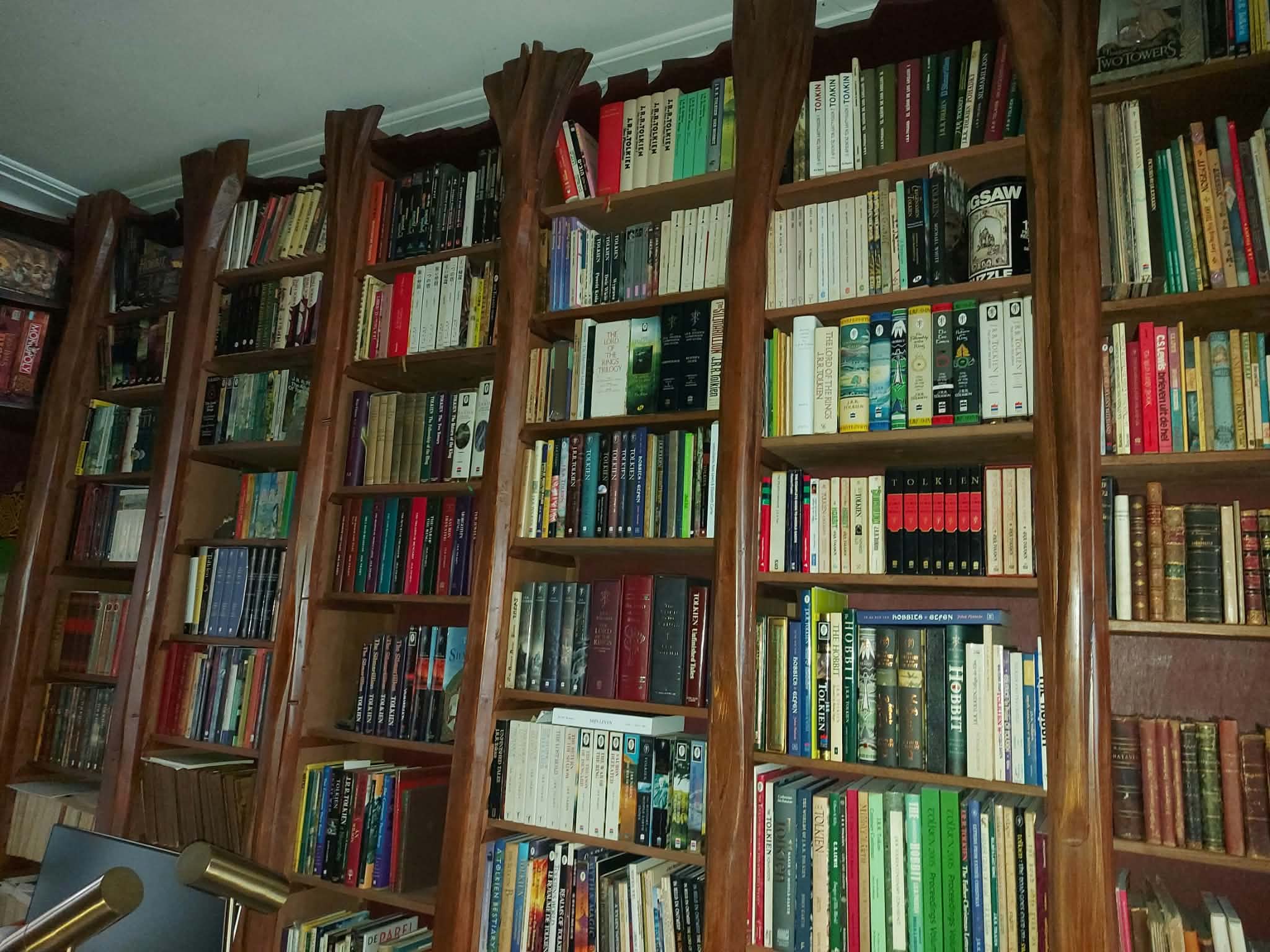
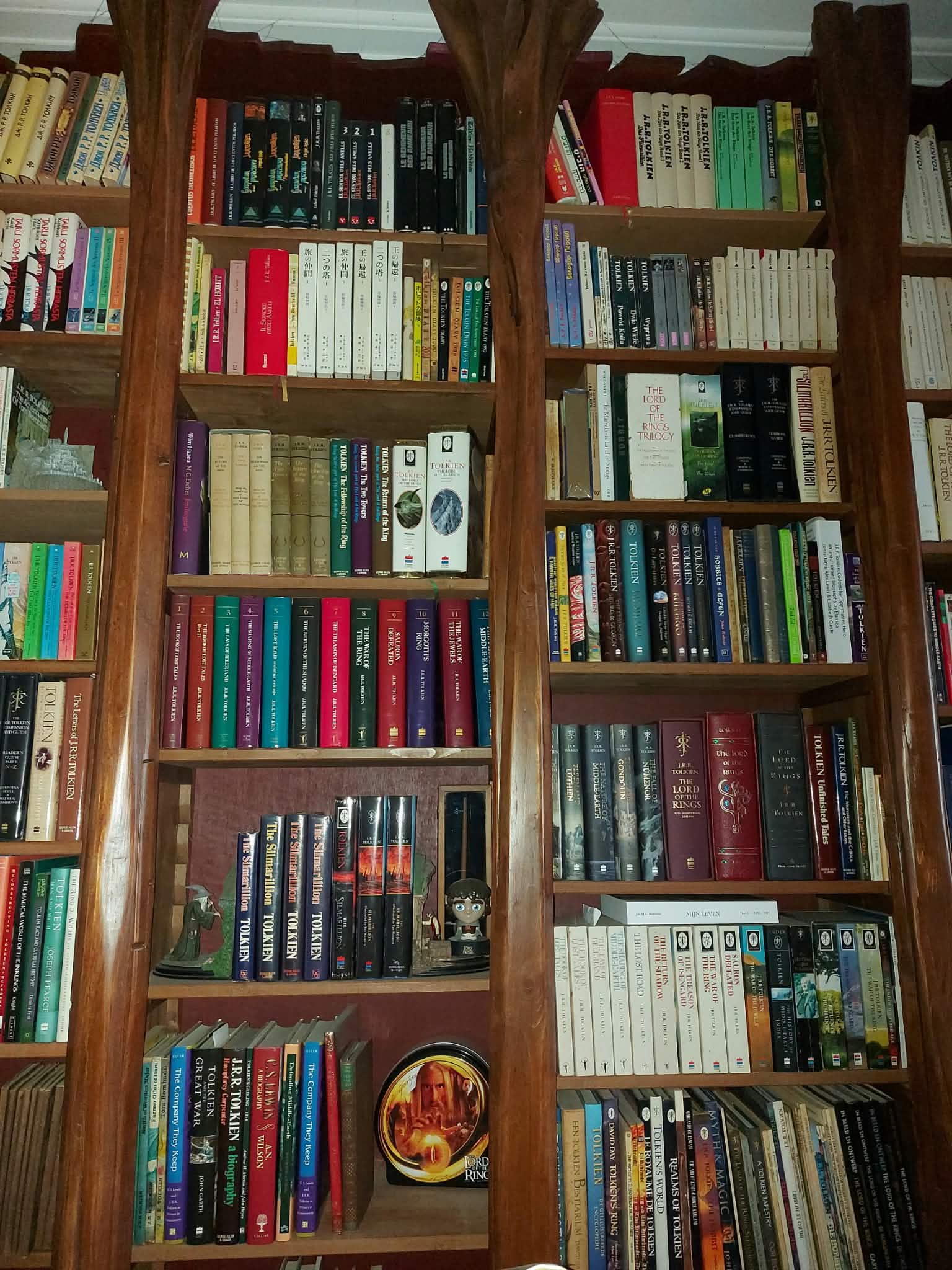
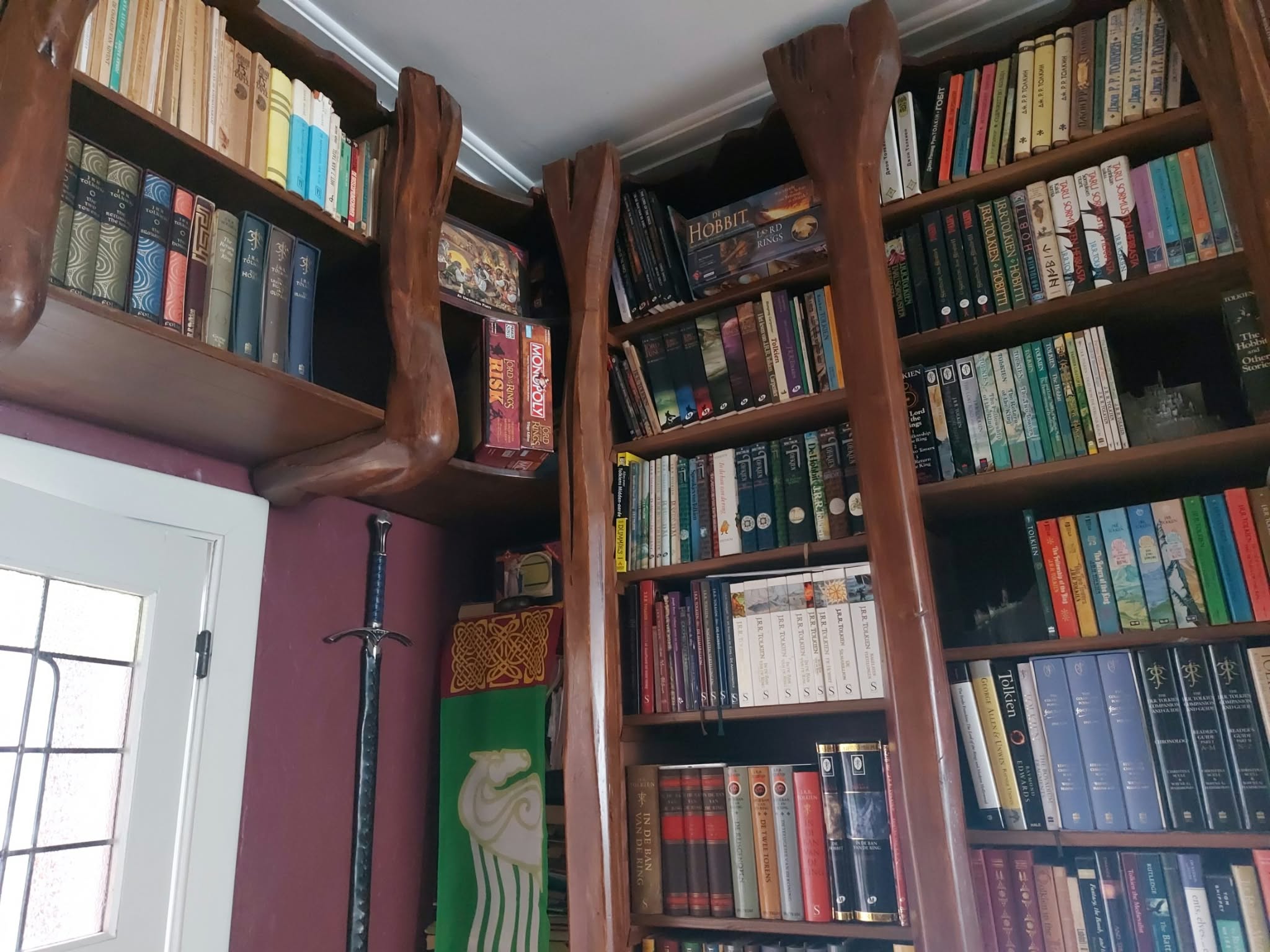
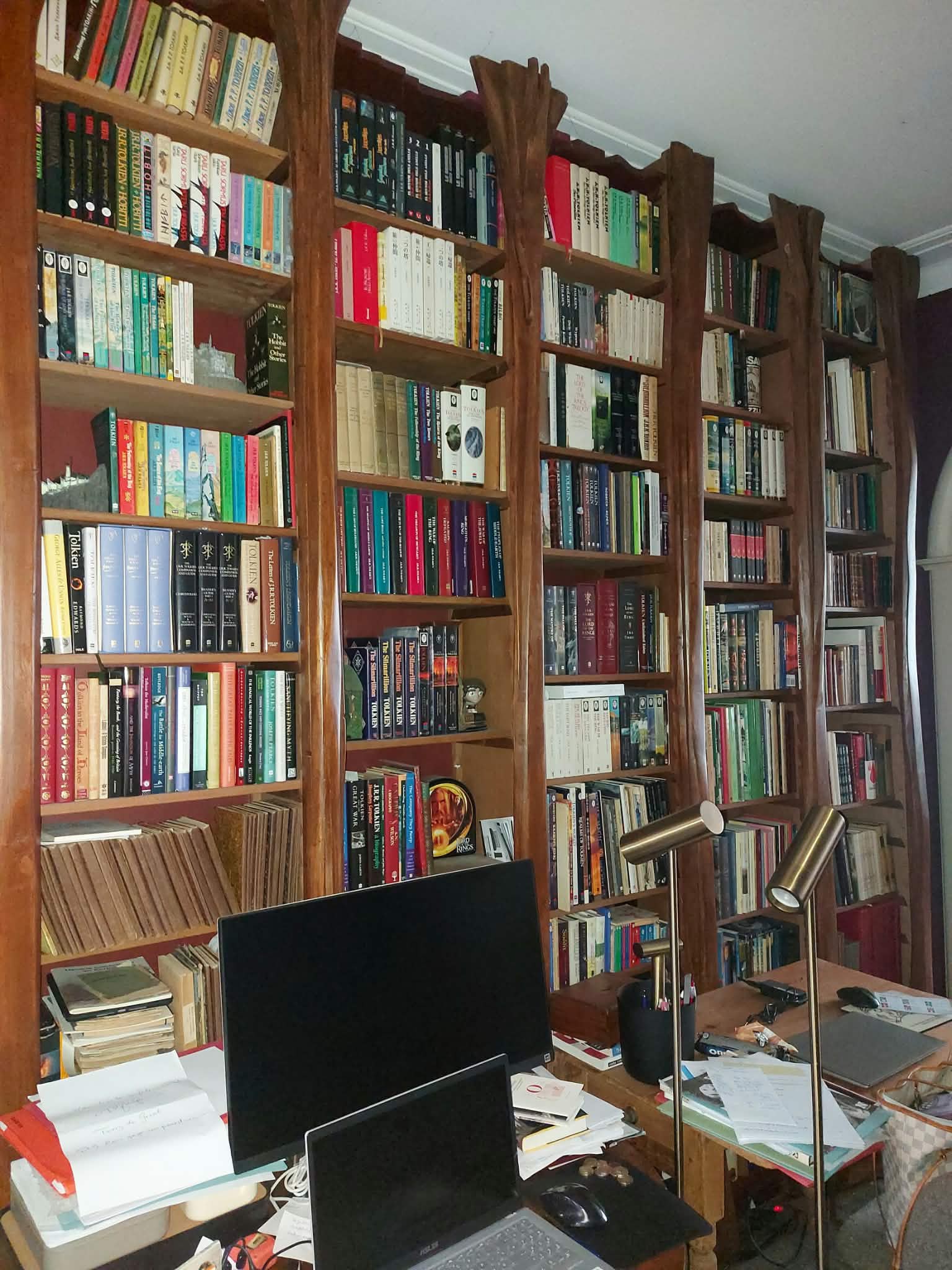
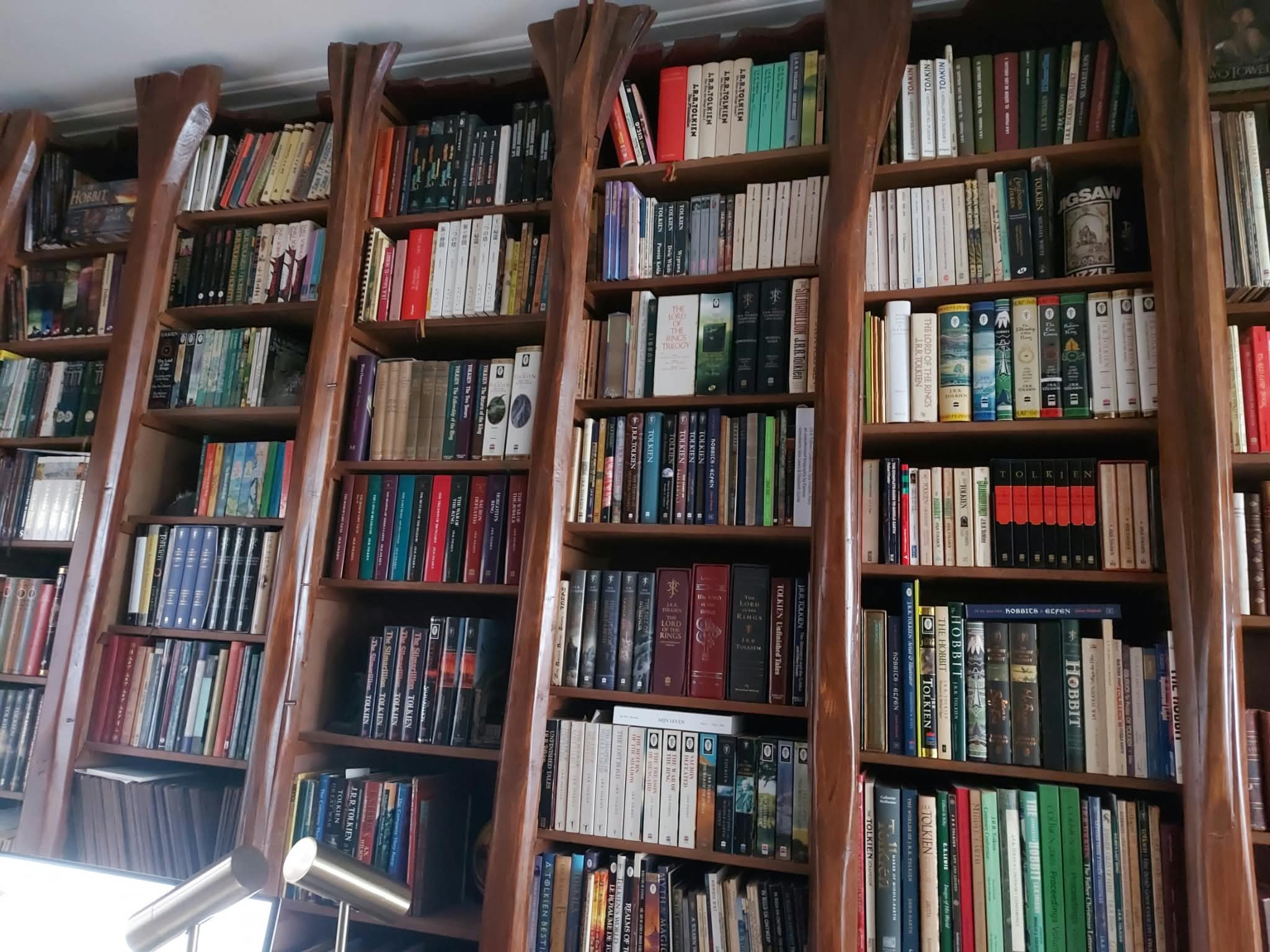
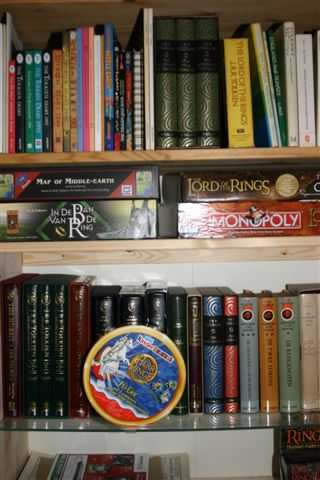
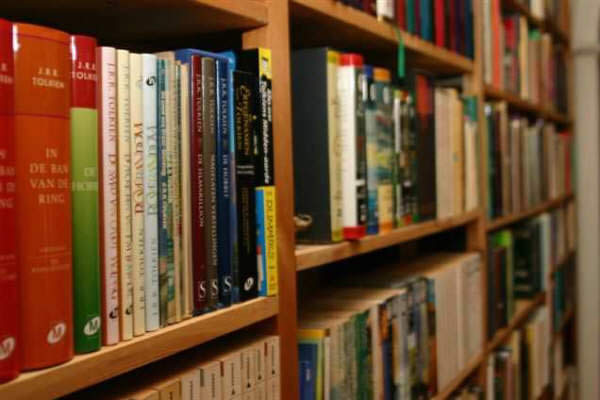
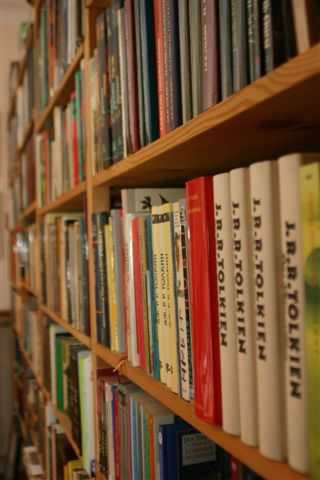
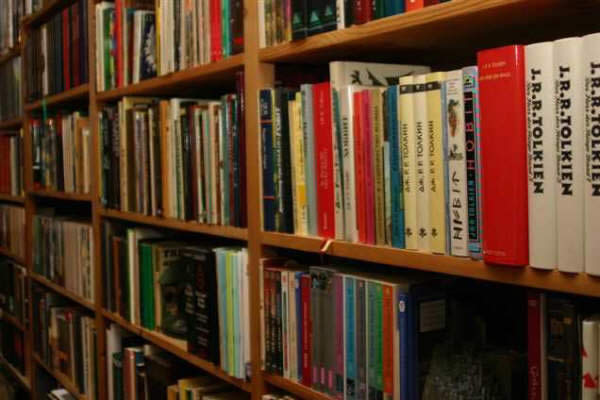
Looking back on what I wrote some twenty years ago, I must now admit that I finished collecting Tolkien around 2010. In other words: I am not a Tolkien collector, I have a Tolkien collection. Twenty-four metres of books, a hundred files filled with Tolkien documentation, calendars from 1973 to 2011, hundreds of game cards, a lot of posters (not from the films), and many Tolkien fanzines. Of course I buy every new Tolkien book, and the most interesting books on Tolkien. That resulted in an updated and very revised version of my Dutch book on Tolkien from 2005, with an expanded title and two new chapters: In de ban van hobbits en elfen (Antwerpen, Houtekiet, 2022), which is now sold out.
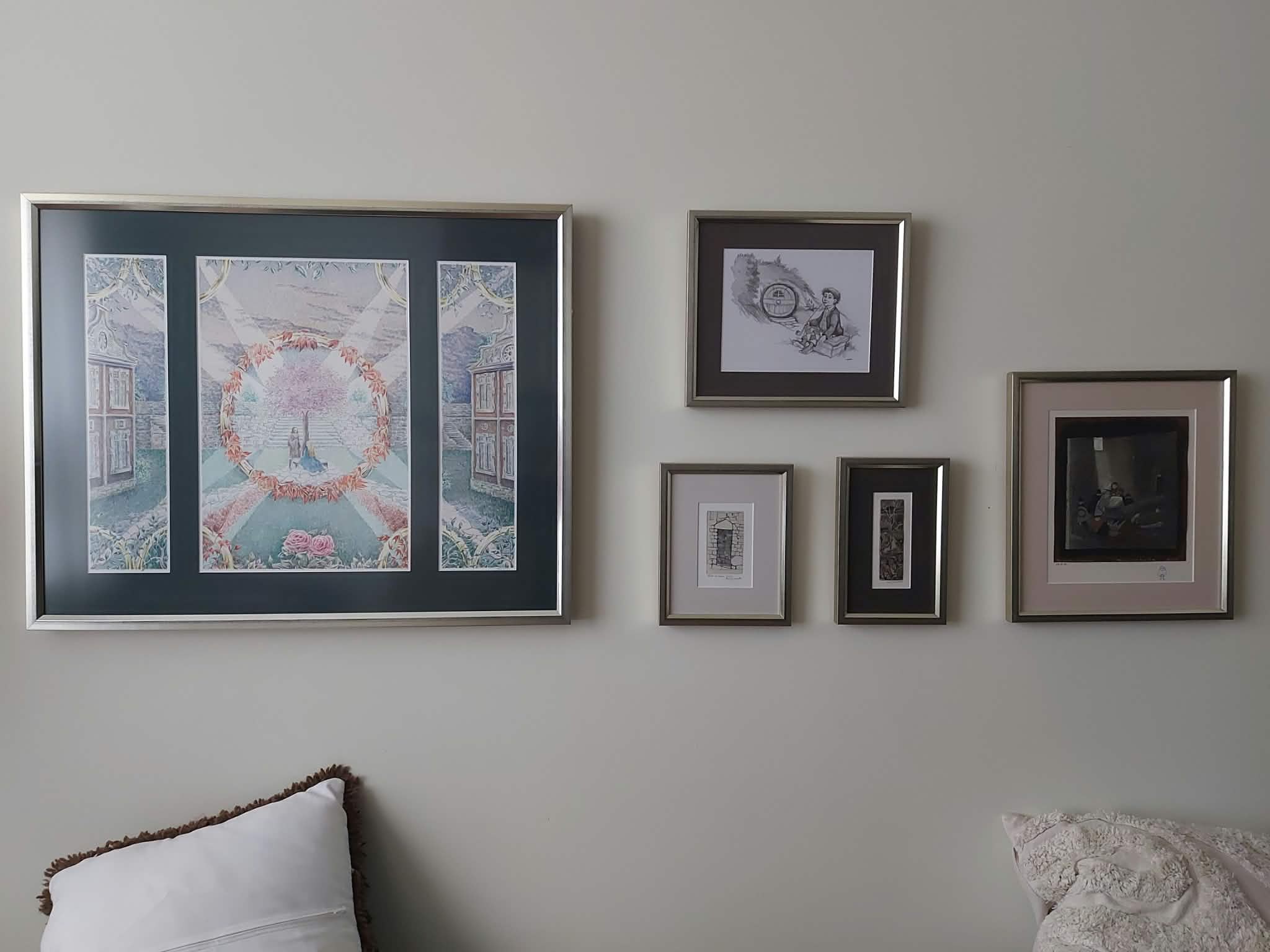
And I bought some nice artwork from Cor Blok and Lode Claes. I even found the Linguaphone box. On the other hand, I sold all my numbered editions. But I am still a collector. I collect other authors.
I got a PhD with the Flemish magic-realist writer Johan Daisne as my subject. So I started to collect all the editions of all his writings (100 titles), and of course signed editions of his books. It made me realise two things. When antiquarians see that someone collects signed editions of a writer, the prices tend to rise. When you have all the editions, the fun is over.
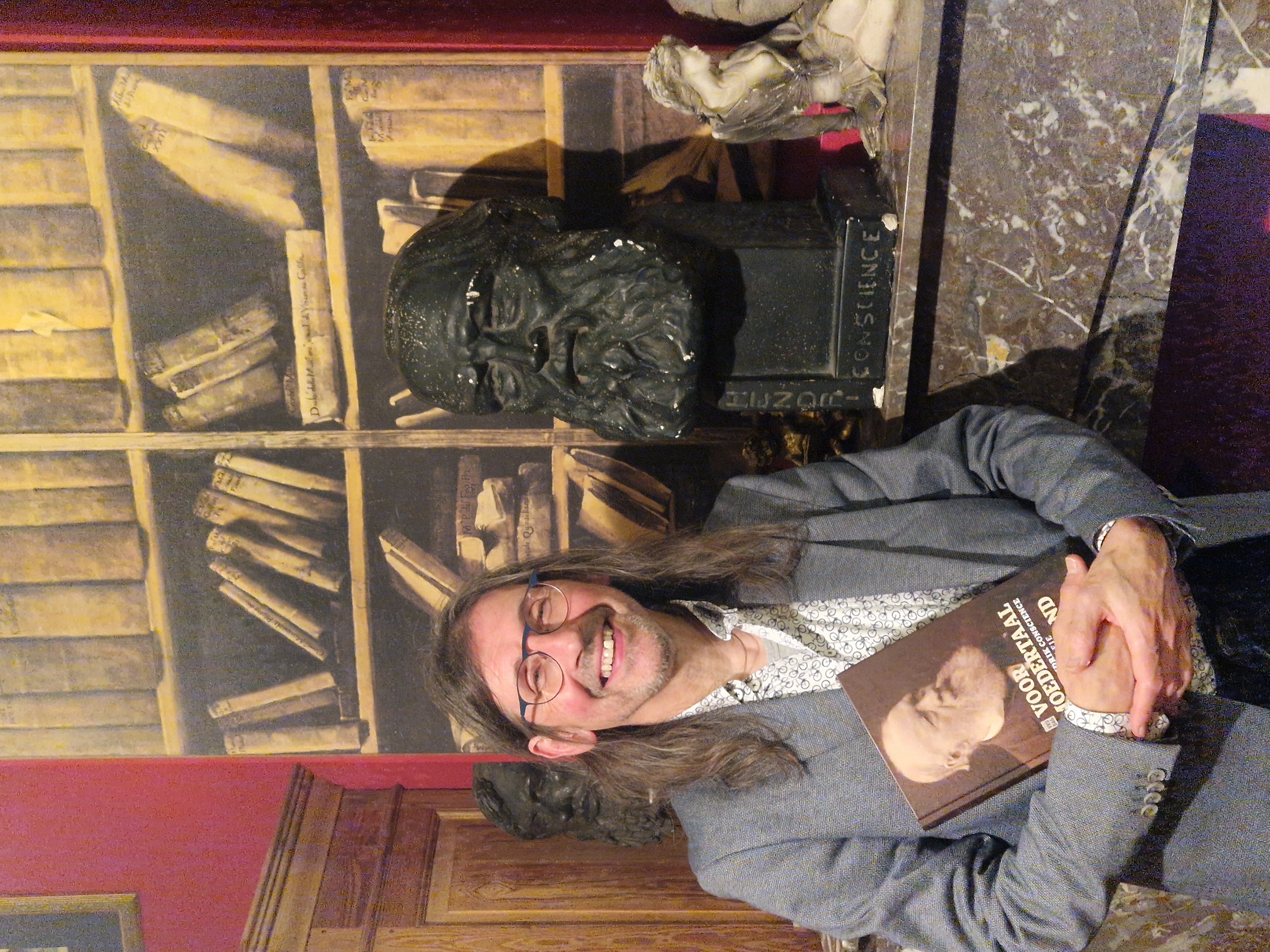
Now I am collecting the works of Hendrik Conscience, the most important Flemish writer in Belgium in the nineteenth century, after writing his biography. He wrote 75 novels, which were all translated into French and German, and half his oeuvre into English, Danish, Italian, Spanish and Czech. There is a small link to Tolkien, as he is the first Dutch writer to write a fantasy novel, De minnezanger, about a young nobleman who is cursed by a necromancer. He cannot see his parents again until his twenty-first birthday, because if he sees them, he will kill them. So he leaves the country and travels as a ballad singer. But it is very hard to hide his true identity. The novel was translated into French (Le sortilège), German (Der Minnesänger) and English (The Sorcerer).
To Conscience I devoted a website, hendrikconscience.com, with additions to the biography, some articles and a complete bibliography of all his works and of the many translations. And I am preparing a new book on Hendrik Conscience.
Original archived collector profile of Johan Vanhecke
Collector Profile: Johan Vanhecke
I live in Antwerp and work as curator in the Flemish Literary Archives. I discovered Tolkien in 1973 (I was 16 then) when I found The Hobbit (in the Dutch translation) under the Christmas tree. I was not sure if I wanted to read it, but as we had to go to my grandparents I started to read, only to stop when it was finished the next day. And a week later, with the money I received for New Year I bought The Lord of the Rings. I also bought the other Dutch books, and the English originals, and started collecting information on Tolkien for papers and readings. I also turned the yearly holiday camp into Middle-Earth.
Tolkien was also one of the reasons why I started Germanic Philology at the University, which I finished with a thesis on fantasy as a literary genre.
How did you get started in collecting?
An important moment was in 1979 when I bought Fosters Complete Guide to Middle-Earth, where I found the address of the Tolkien Society, of which I became a member immediately. They had no Tolkien Trading at that time, nor a Malcolm, but you could order books at the Church House Bookshop. They had most Tolkien titles in stock. And so my Tolkien collection grew steadily, although I never thought about collecting Tolkien systematically. In every second hand bookshop I looked for Tolkien, not only in Belgium, but also when I was abroad. The weak point was that I also collected records, and fantasy, and books tout court.
And then 1992 came near, and I got the opportunity to make an exhibition on Tolkien in the Museum part of the Literary Archives. I used my collection as a backbone, borrowed the collection of a friend (who ran a fantasy magazine Hexa in the early eighties), bought extra material to fill in the most important gaps, and then contacted several artists who all sent in original works. The exhibition was a big success, not only for the public, but also in the press. I even made three appearances on television.
What do you collect?
From then on I started to collect more Tolkien things, and I tried to bring some system in it. It never really worked. I said to myself: I will collect only illustrated translations, but I soon had more translations that were not illustrated. And I didn’t want to collect Tolkien calendars, but I now have at least one for every year.
There is one thing I really want to have: every edition in Dutch, but not every printing. If nothing has been changed, I don’t buy it. I don’t want ten times the same hobbit-cover. For the rest my only criterion is: would it be useful in an exhibition (apart from: can I afford to buy it.)
How big is your collection?
It depends on how you count. I have a lot of ephemera, and a lot of magazines, posters, puzzles, etc. And a wall (4 × 3 metres) full of books. I also have a big fantasy collection, but I finished collecting that in the nineties.
What has been your greatest find so far?
I can’t say that I have a greatest find. I have a few hard to find things like the French Maitre Gilles de Ham, with the translation of an early version of Farmer Giles, and the first print of the Dutch translation with dustwrappers. And an early boxed edition from 1960. But I could tell a lot about my misses. Like the first print of LotR I saw in 1988 in Cambridge for 300 £, the Linguaphone records I even had in my house, but I gave them back to the owner, because I thought them too expensive.
Tell us about your Web site.
Web site is under construction.
What does collecting mean to you?
I have a very double feeling about collecting. I have always collected a lot of different things, especially books on different subjects, and that takes up a lot of place in the house. All my 33T records (some 1600) are now in the basement. I don’t play them, but I can’t do them away either. Collecting is sometimes seen as an investment, but I cannot imagine that I will sell those items that have really become expensive. On the other hand: I never spend too much money on my books.