This page brings together the final part of the collecting process: actually buying a Tolkien book online. Combined with search tips, meta search tools and mailing lists, it helps you move from finding books to buying them with confidence.
Most booksellers online are honest and care about their reputation. Still, buying a book you have never seen from a seller you have never met can feel uncertain — and sometimes disappointing.
In most cases, problems come down to misunderstandings: unclear descriptions, lack of knowledge, or assumptions made by the buyer. Fortunately, there are simple ways to reduce the risk and make better decisions when buying Tolkien books online.
Online Buying Is Still Mail-Order
It helps to remember that online buying is simply modern mail-order. The catalogue is digital, but the principles are the same: you rely on descriptions, trust, and communication.
Once you start thinking this way, your approach changes. You become more careful, ask better questions, and rely less on assumptions.
Do Not Automatically Buy the Cheapest Copy
If you always choose the cheapest copy, you increase the chance of disappointment. There is usually a reason a book is priced lower.
Sometimes that reason is harmless — a seller clearing stock or mispricing an item. But more often, it reflects condition issues, missing parts, or a lack of experience from the seller.
Instead, look for value: a well-described copy, in good condition, from a reliable seller. Paying slightly more often leads to a better long-term result — something most collectors learn the hard way at least once.
Read Descriptions Carefully
Descriptions are everything. Learn to recognise warning signs.
Phrases such as “pretty good for its age”, “else fine”, or “has that old book smell” often indicate that the seller is not experienced in grading books.
Condition is not relative to age — it is absolute. A book is either Fine, Very Good, Good, and so on. Age does not excuse poor condition.
In fact, detailed descriptions are usually a positive sign. A carefully listed flaw is often preferable to a vague general condition. It may look worse at first glance, but in practice it is often the safer choice.
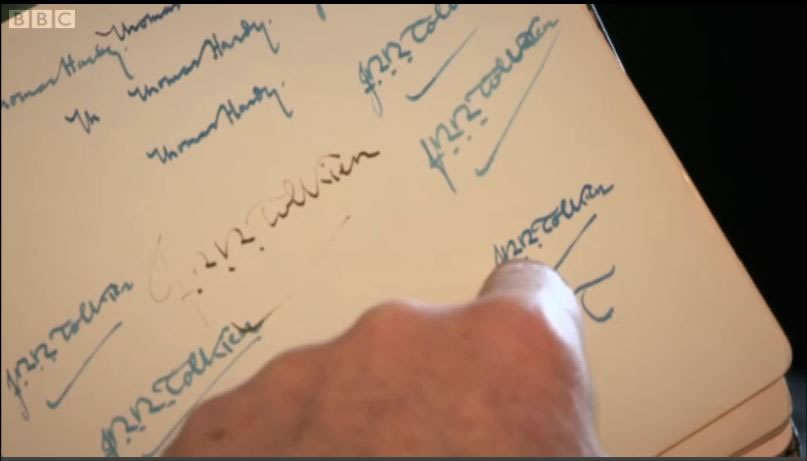
Even Tolkien practised his signature — a reminder that signatures should always be examined carefully when buying online.
Ask Questions
If anything is unclear, ask. A knowledgeable bookseller should be able to explain how an edition was identified, confirm condition details, or provide additional information. This is especially important for rare Tolkien books.
If a seller is unwilling to answer questions, that is usually a sign to move on. Good sellers are used to serious collectors asking detailed questions.
Misidentified editions are more common than many expect. A book may be listed as a first edition or early printing without proper verification. When in doubt, ask how the edition was identified and compare with known bibliographical details.
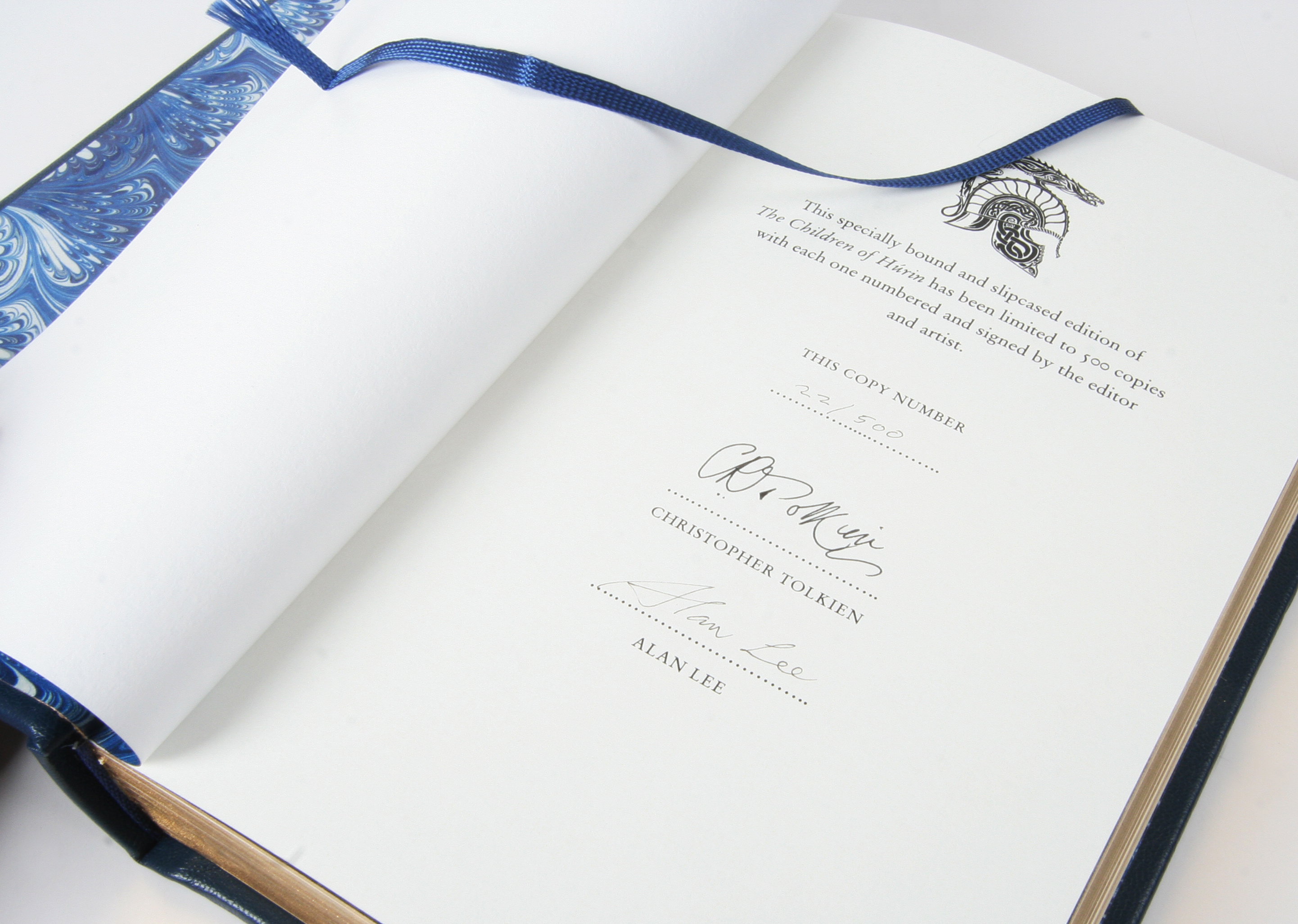
Signed editions like this are highly desirable — but condition, authenticity and completeness must always be carefully checked.
Always Look at Photos
Photographs are essential, especially for expensive or collectible Tolkien books.
If no images are provided, ask for them. Most sellers can supply additional photos on request. Pay particular attention to dust jackets, bindings, and any signs of restoration.
Look at the seller’s contact details, terms of sale, and overall presentation. A reputable seller should provide a clear return policy and proper contact information.
A clear and fair return policy, especially when a book is not as described, is a good sign.
Be cautious with overly aggressive terms such as “we are not responsible for items lost in the mail.” These do not reflect a customer-focused approach.
Use Feedback Carefully
Feedback systems on platforms like eBay and Amazon can be helpful, but they are not perfect. Some buyers leave overly positive feedback, while others leave negative feedback for reasons outside the seller’s control.
Look for patterns rather than individual comments.
Trade Associations and Experience
Membership of a professional trade association can be a useful indicator. Organisations such as ILAB require members to follow a code of ethics and maintain professional standards.
While this is not a guarantee, it does suggest experience and accountability.
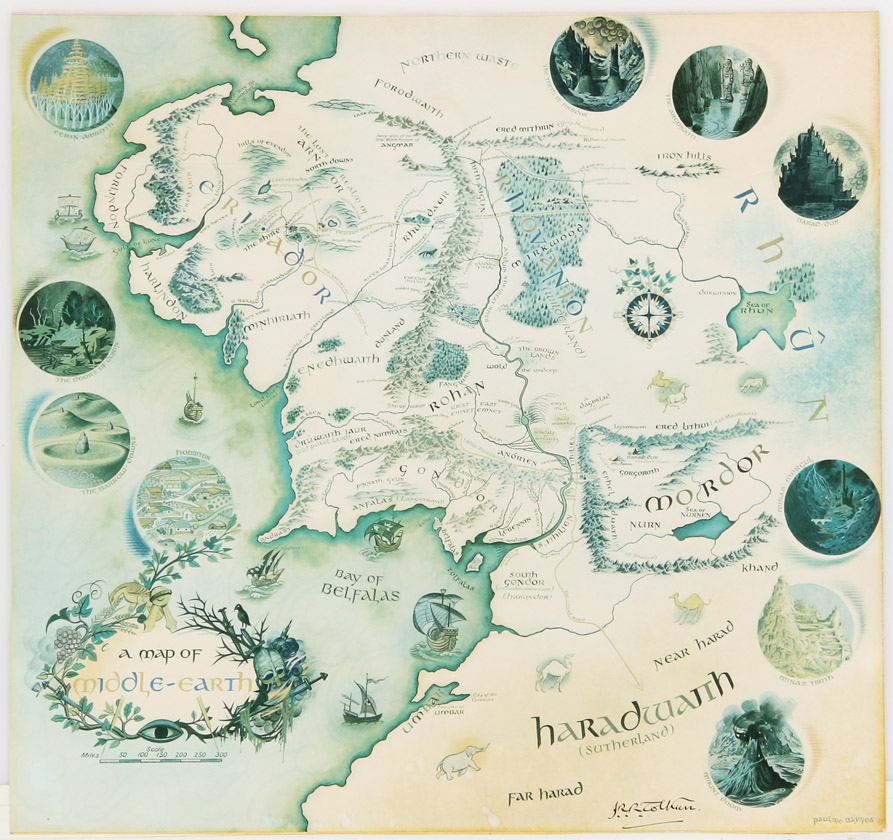
Unique signed items often appear online — making careful verification and trusted sellers essential.
Protect Yourself When Paying
When possible, pay by credit card. This provides an additional layer of protection, as charges can be disputed if something goes wrong.
Bank transfers and other direct payment methods offer fewer safeguards.
If Something Goes Wrong
If a problem arises, start by re-reading the description and terms to make sure nothing was misunderstood.
Then contact the seller in a calm and constructive way. Most issues can be resolved through clear communication.
If necessary, you can escalate the issue through the platform, trade associations, or — in serious cases — local authorities.
Final Thoughts
Most transactions go smoothly. Booksellers generally want satisfied customers, and most problems are avoidable with careful reading and a few questions.
Over time, you will learn which sellers to trust, how to interpret descriptions, and how to recognise a good copy when you see one. That experience — built through both good and bad purchases — is one of the most valuable parts of collecting.