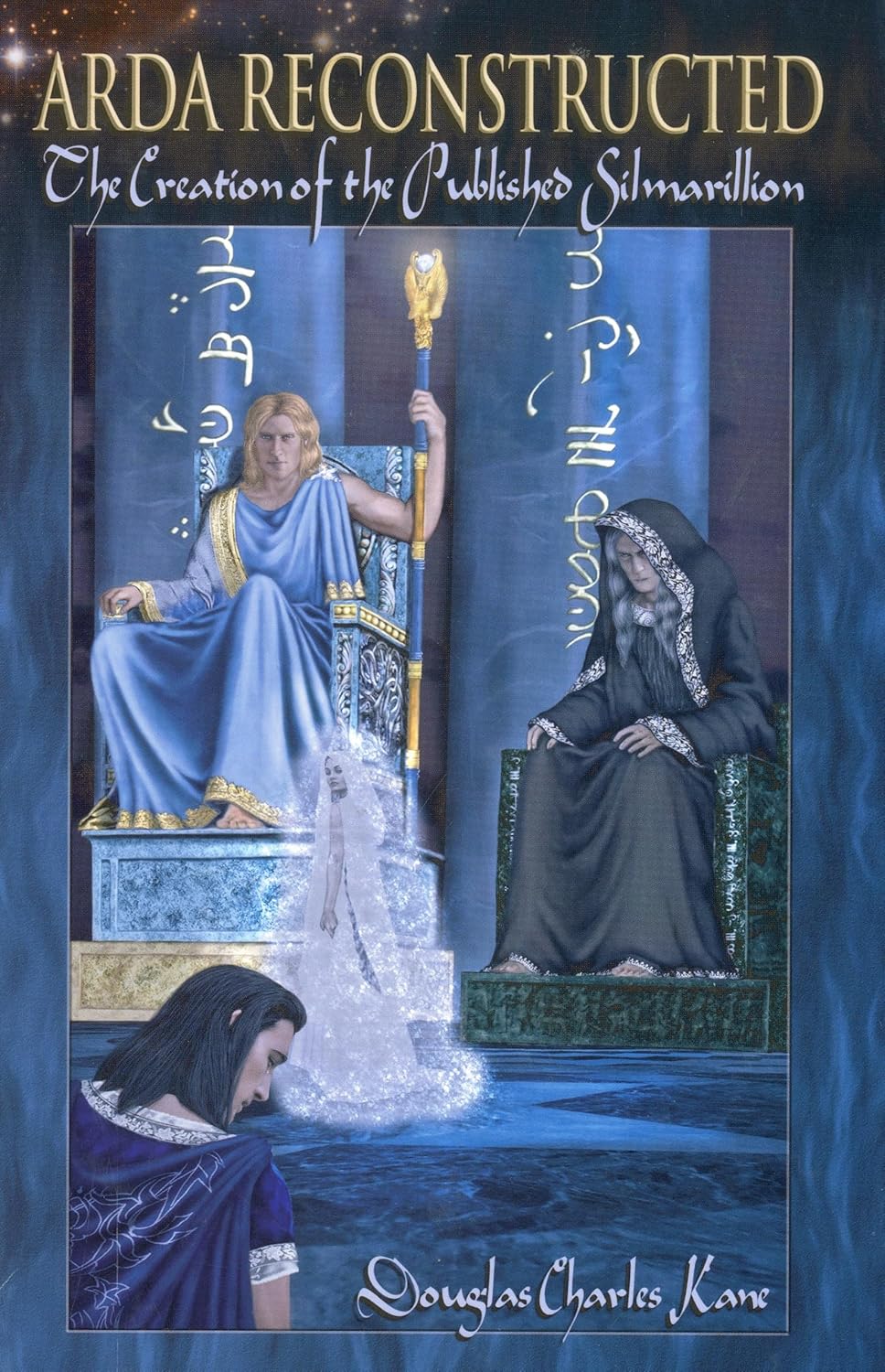
Douglas C. Kane Interview: Arda Reconstructed
Understanding how The Silmarillion came into its final published form is no small task, yet Douglas C. Kane has taken on that challenge with remarkable depth and precision. In this exclusive interview, he discusses Arda Reconstructed, his groundbreaking study that traces the complex editorial process behind Tolkien’s posthumous masterpiece. Offering insights into the interplay between J.R.R. Tolkien’s original writings and Christopher Tolkien’s editorial decisions, this conversation opens a fascinating window onto the making of one of the most intricate works in fantasy literature.
Once in a while there are written books that come forth from a very deep love for Tolkien and his mythology. One of these books is Arda Reconstructed: The Creation of the Published Silmarillion by Douglas C. Kane, the co-founder of the Tolkien internet discussion site thehalloffire.net. Here follows more info on this book, that every serious Tolkien fans should have, and an interview with the author.
In Arda Reconstructed: The Creation of the Published Silmarillion, Douglas C. Kane shows us the changes, omissions, and additions that were made to tolkien's work by his son Christopher Tolkien (with the assistance of the writer Guy Kay) in preparing The Silmarillion for publication, and traces how the disparate source materials were used to create what is in essence a complex composite work.
He compares the published text with the source texts contained in the volumes of The History of Middle-earth, and other books by Tolkien, to identify the patterns of major and minor changes made to these source materials that result in the reconstruction of the finished The Silmarillion.
He also cites the works of some of the most important Tolkien scholars, including Tom Shippey, Verlyn Flieger, Christina Scull, Wayne Hammond, Charles Noad, and David Bratman, in an attempt to understand and explain why these changes may have been made.
Very interesting is that supplementing the text of Arda Reconstructed there are 25 detailed tables. The first table provides the dates that each of the source texts that were used in the creation of the published Silmarillion were written. The last table provides the different versions of names of people, places and things that were used in the source texts.
In between, the other 23 tables trace paragraph by paragraph the source material used to create the published texts, showing both the primary source for each paragraph, and the secondary sources used to merge material into the primary sources for each paragraph. These tables provide a key resource for anyone interested in tracing in detail how the published Silmarillion was created.
DOUGLAS C. KANE SIGNED STICKER GIVEAWAY!
The author of Arda Reconstructed: The Creation of the Published Silmarillion, Douglas C. Kane, has been so kind to sent over some signed stickers to stick inside your copy of the book. If you are interested to have a signed Douglas C. Kane sticker please send me an email with your postal address and I'll be happy to sent you one over. ALSO please sent me reviews of this book and I'll be happy to post them at my website.

When you read what the book is all about you should by now be convinced to buy a copy and read it, for sure I have already ordered mine. Here follows an interview with the author Douglas C. Kane (DK) on this fabulous new book.
TL: Could you please tell us a little about yourself?
DK: Sure! I have what some people consider a rather unusual set of interests. Professionally, I am a civil rights attorney specializing in representing employees in discrimination and harassment cases here in Santa Cruz, California, where I live. But I also teach and perform West African percussion music. And, of course, I have been a Tolkien enthusiast for over 30 years.
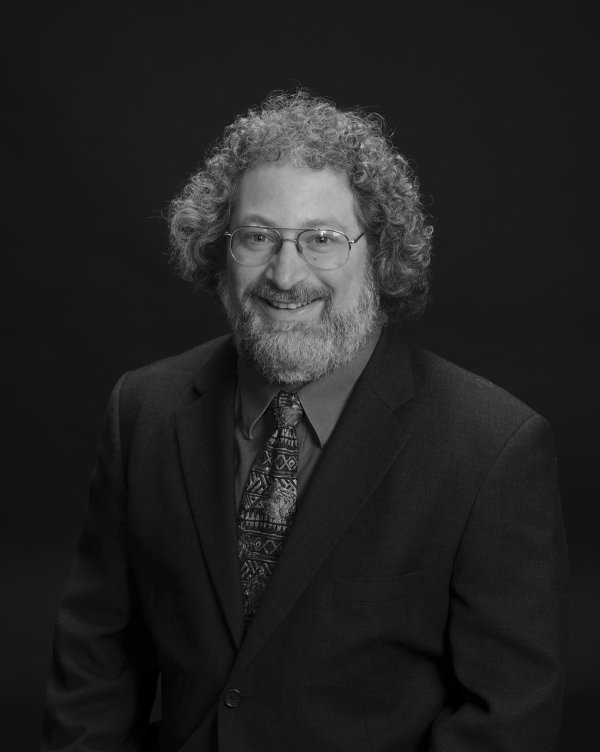
TL: Some might know you under the name "Voronwe_the_Faithful", why did you choose this nickname?
DK: When I first joined a Tolkien discussion board, I wanted to choose a nickname that I felt reflected my personality. Service to others has always been very important to me, and I felt that that was well represented by the way that Voronwë faithfully guided Tuor to Gondolin in the tale "Tuor and his Coming to Gondolin," printed in Unfinished Tales. Also, Voronwë's descriptions of the bright stars "upon the margin of the world, when at times the clouds about the West were drawn aside," and of the willows of Nan-tathren, have long been among my favorite passages in tolkien's works.
TL: You are the author of 'Arda Reconstructed: The Creation of the Published Silmarillion' could you tell us what this book is about?
DK: It is an attempt to trace how Christopher Tolkien created the published Silmarillion (with the help of Guy Kay), from the unfinished works left behind by his father. Christopher himself made this effort possible by publishing the bulk of those unfinished works. I went through The Silmarillion paragraph by paragraph, comparing the text with the constituent source texts printed in The History of Middle-earth, as well as in Unfinished Tales, The Children of Húrin, and in one case, Tolkien’s letters. I then made an effort to explore how the editorial decisions influenced the final product. I can honestly say that some of the results were quite surprising.
TL: What surprises me is that this book originally started as a thread on a Tolkien board, when and why did the idea come of making it into a book?
DK: Yes, that is quite true; it started at as a discussion at thehalloffire.net, the Tolkien board that I run. Someone asked the question "who actually wrote The Silmarillion" and we came up with the idea of systematically comparing the book to the source materials that were available. But when push came to shove, I was the only one who followed through.. Over time, as I persisted through the project, more and more people began telling me that they felt that the information that I was gathering was valuable, and should be shared with a wider audience. When I finished going through the text, I decided to go ahead and prepare a manuscript to submit to publishers. Eventually, the Lehigh University Press agreed to publish it.
TL: Did you have any access to unpublished documents?
DK: I did not. Any relevant unpublished documents are either housed in the Bodleian Library at Oxford, or are still in Christopher tolkien's possession. Being an attorney in California with a busy practice, I would not have been able to take the time to travel to England or France to review these documents, even in the unlikely event that I had been granted permission to do so. And truthfully doing so would mostly have involved duplicating the extensive work that Christopher has already done so admirably. The fact that I was able to trace so much of the published text to the source materials available to me shows that to be true. Honestly, I believe that the most valuable unpublished source material that was not available to me is the information stored in Christopher's mind. Perhaps, however, there will be an opportunity for a follow-up work by either myself or some other Tolkien scholar with access to the unpublished documents.
TL: How did you get interested in the Silmarillion anyways?
DK: I first encountered The Silmarillion as a young man in my twenties. I had already been a big fan of The Lord of the Rings and The Hobbit since I was a child, but this was something else altogether. From the first words of the Ainulindalë I was hooked. I had never encountered anything quite like it, and I can honestly say that it has had more influence on me then any other single piece of literature. I proceeded to devour Unfinished Tales and each volume of The History of Middle-earth, with ever-increasing wonder at the true scope of tolkien's creation.
TL: What special qualifications do you have for making this study? What makes you different from your colleagues?
DK: I don't know that I can say that I have "special qualifications" other than simply the persistence to stick with it. Certainly as an attorney I have a lot experience in engaging in very detailed research, and in applying facts to make an argument. But I think the main qualification that I have, and the main reason why I was able to persevere, is simply that I love the material so much.
TL: What is the big difference between your book and other books like the history of Middle-earth?
DK: Well, The History of Middle-earth books trace in amazing detail the history of J.R.R. Tolkien's work creating his legendarium. But it really only gives a few hints here and there about Christopher's work in creating the published The Silmarillion. There really is not any work comparable to Arda Reconstructed that I am aware of. Charles Noad has an excellent essay in the book Tolkien's Legendarium called "On the Construction of 'The Silmarillion'" which delves into the subject to some extent. And Wayne Hammond and Christina Scull's massive J.R.R. Tolkien Companion and Guide has entries on the individual chapters of The Silmarillion which give brief overviews of the source material used to create them. But neither explores the subject to nearly the depth that I have done, and neither attempts to look in detail at how the editorial decisions affected the final product.
TL: To write this book, did you work alone or did you have help of other Tolkien scholars?
DK: I mostly worked alone. I did get some very helpful suggestions and advice from a few Tolkien scholars, including Don Anger, Merlin DeTardo, Bill Hicklin and Jason Fisher, as well as my colleagues at thehalloffire.net. In addition, David Bratman twice read the manuscript for the Lehigh University Press, and provided indispensable suggestions for improvements.
TL: The illustrations were made by Breogan a fairly unknown Tolkien artist, how did this cooperation work?
DK: I feel incredibly blessed to have had the opportunity to work with Breogan. And not just because her illustrations are so beautiful and highly detailed. It is axiomatic that Tolkien fans all have our own individual visions of how the people and places in his universe look. And yet to a very great extent, Breogan's illustrations seem to be taken directly from my own mind. I still can't get over just how accurately they capture my own imagination of how the scenes depicted should look. It has surpassed my wildest expectations.

TL: This book must have meant a lot of research? How long did it take to make this book?
DK: It did take a lot of research. The initial process of tracing the source material paragraph by paragraph took about 8 months. It then took another 3 or 4 months to prepare the initial draft of the manuscript. After I submitted that to Lehigh University Press they had David Bratman read the manuscript, and he provided some extensive suggestions for revising the manuscript. That required an extensive rewrite that took an additional 3 months or so. Then, after it was accepted for publication, it has required additional work over the course of the past year as a result of reviewing the copyediting, and the page proofs. The final big (and very important!) task was preparing the Index. All told, it will have been almost exactly three years from the time I first began the project to the time that it is available for purchase.
TL: How long did it take Breogan to illustrate it and make the fabulous cover?
DK: I can't really answer that with specificity. But I can say that each illustration took a long time to complete, because they are all so extraordinarily detailed. And the cover illustration perhaps most of all. It is beautiful, isn't it?
TL: I read the book has not been endorsed by the Tolkien Estate, do you now hope that you will somehow be asked by Christopher Tolkien to work further on the topic?
DK: I would certainly be honored if he did so, but I can't say that I expect it to happen. I do want to say that I have a tremendous amount of respect for Christopher Tolkien, and gratitude to him for his extraordinary efforts to bring the full scope of his father's work to light as much as possible.
TL: What are your expectations for this book?
DK: I honestly don't know what to expect. I do hope, however, that it helps gives people a greater appreciation for and understanding of the work of both J.R.R and Christopher Tolkien. And that it perhaps helps to open the door to further The Silmarillion scholarship.
TL: The book should be available already through Amazon, when do you think it will be shipped out?
DK: According to my publisher, it should be available for shipping from Amazon no later than mid- to late-March. So very soon!
TL: A final question, are there any plans for other Tolkien related publications?
DK: I plan to submit a paper for presentation at the upcoming Mythopoeic Society conference, expanding on my discussion of the Second Prophecy of Mandos in Arda Reconstructed. Beyond that, there are a couple of subjects that I am interested in exploring in depth, but nothing that I am prepared to talk about at this point
Title: Arda Reconstructed: The Creation of the Published Silmarillion
Type: Hardback Edition
Extent: 280 pages
Format: 23.4 x 15.5 x 2.3 cm
Publisher: Lehigh University Press
Publication date: 15 Mar 2009
Language: English
ISBN-10: 0980149630
ISBN-13: 978-0980149630
Related Articles
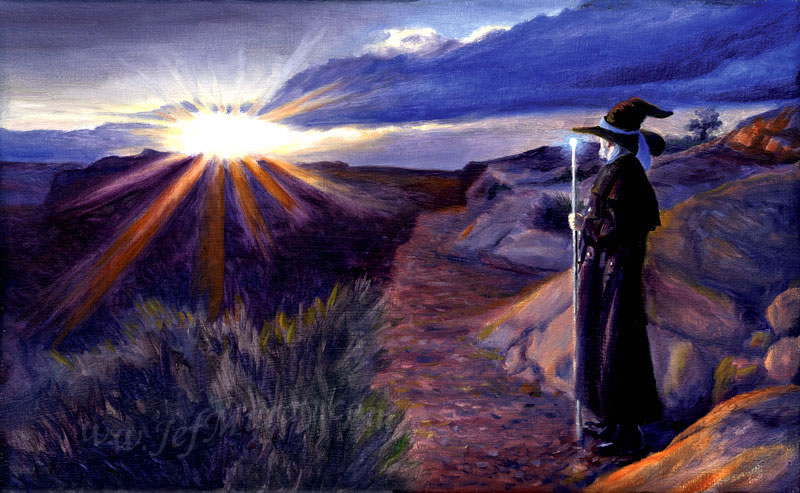
Few artists capture the spirit of Tolkien’s world with as much depth and imagination as Jef Murray. In this engaging interview, he shares insights into his creative process, his inspirations, and the role of art, story, and “sub-creation” in bringing Middle-earth to life beyond the page.
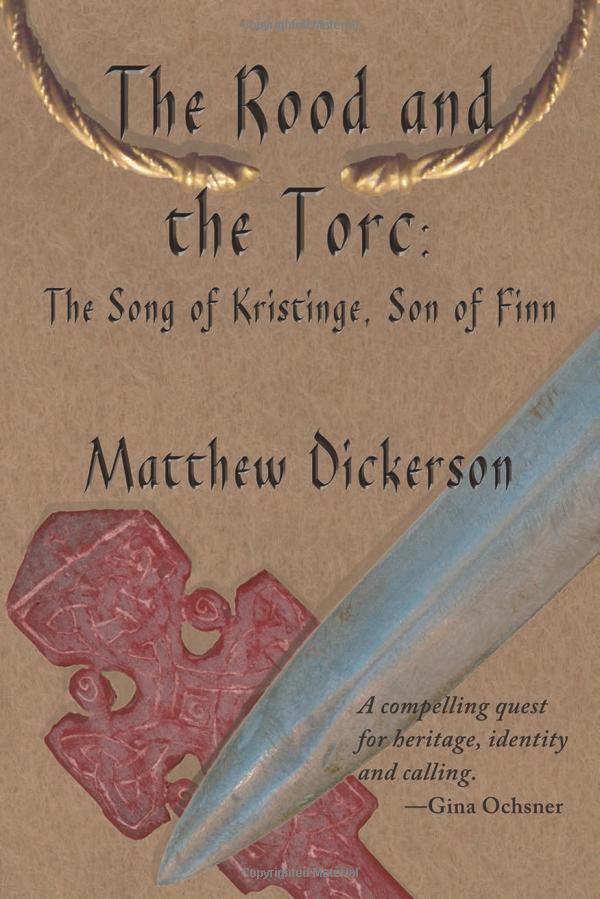
Matthew Dickerson is widely known for his insightful studies on Tolkien, but his creative work draws from the same deep well of medieval literature and myth. In this interview, he discusses the origins of The Rood and the Torc, a historical novel inspired by Old English poetry, and reflects on how Tolkien’s influence helped shape both his scholarship and his storytelling.
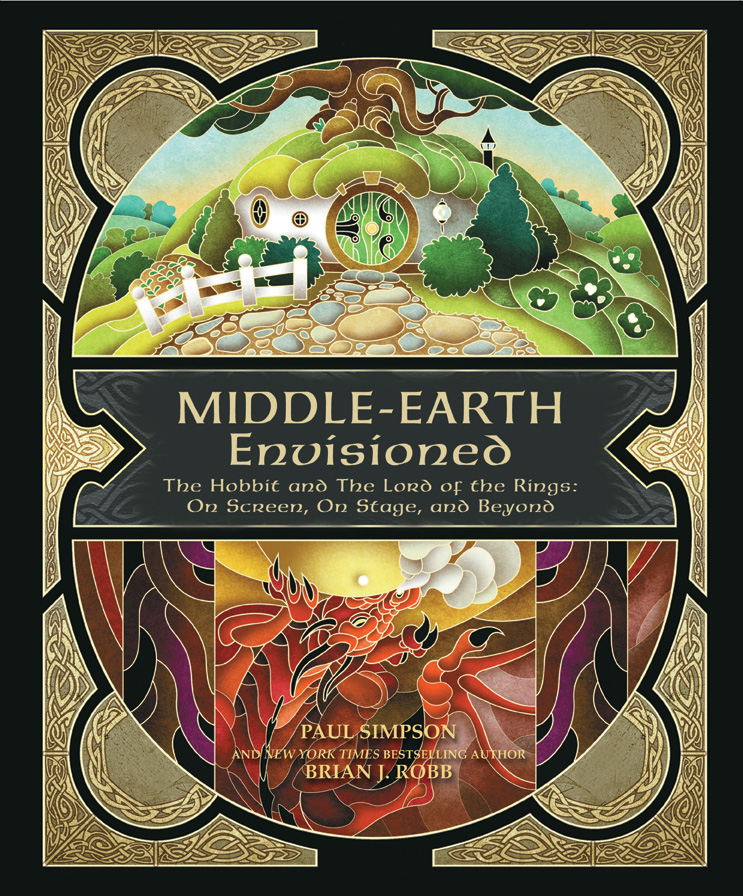
Tolkien’s influence extends far beyond the written word, shaping decades of art, film, music, and popular culture. In Middle-earth Envisioned, Paul Simpson and Brian J. Robb explore this remarkable legacy, tracing how The Hobbit and The Lord of the Rings have inspired creators across a wide range of media. In this interview, the authors discuss the origins of the project, the challenges of capturing such a vast subject, and the many surprising discoveries they encountered while bringing this ambitious work together.