Articles & interviews
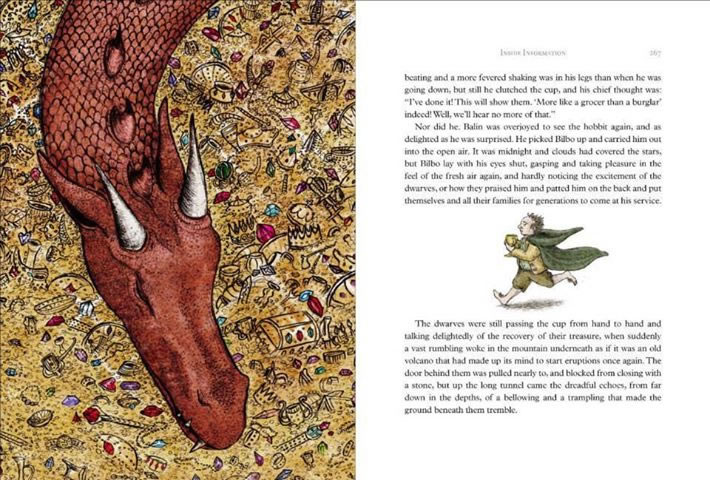
A new illustrated edition of The Hobbit is always something special—but Jemima Catlin’s interpretation brings a fresh and distinctive charm to Tolkien’s classic tale. With a rich collection of newly created artwork, this edition aims to reconnect the story with its roots as a children’s book, full of warmth, humor, and quiet adventure.
Blending traditional influences with a modern sensibility, Catlin’s illustrations offer a new way to experience Bilbo’s journey—inviting both longtime fans and younger readers to rediscover the magic of Middle-earth.
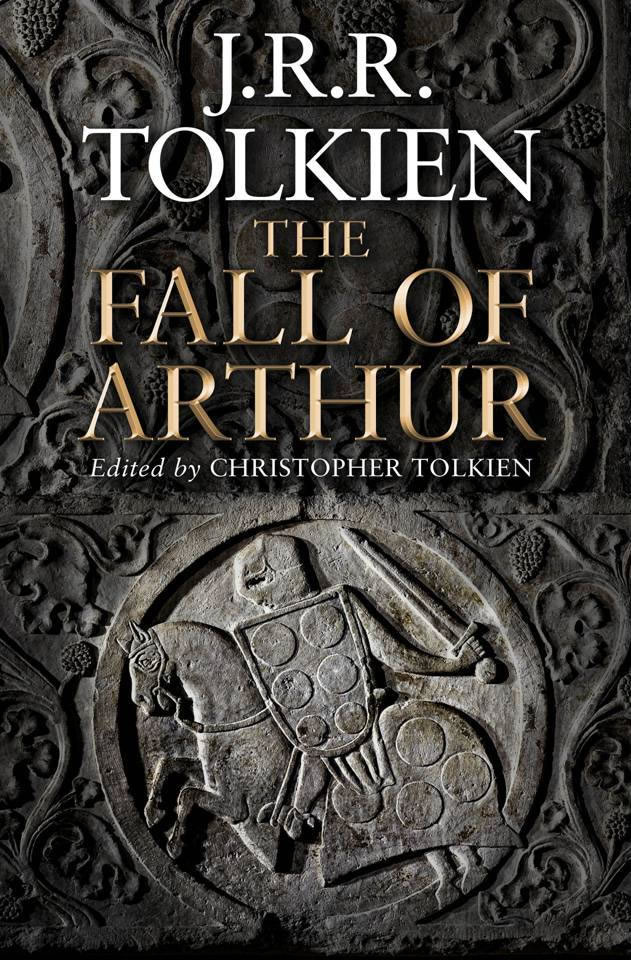
With The Fall of Arthur, Tolkien turns to one of Britain’s greatest legends, bringing his distinctive voice to the final days of King Arthur. Though left unfinished, the poem reveals a powerful and often overlooked side of his творчество—rooted in Old English tradition, yet unmistakably his own.
This posthumous publication offers readers a rare glimpse into Tolkien’s exploration of Arthurian myth, combining poetic narrative with insightful commentary that sheds light on both the work itself and the mind behind it.
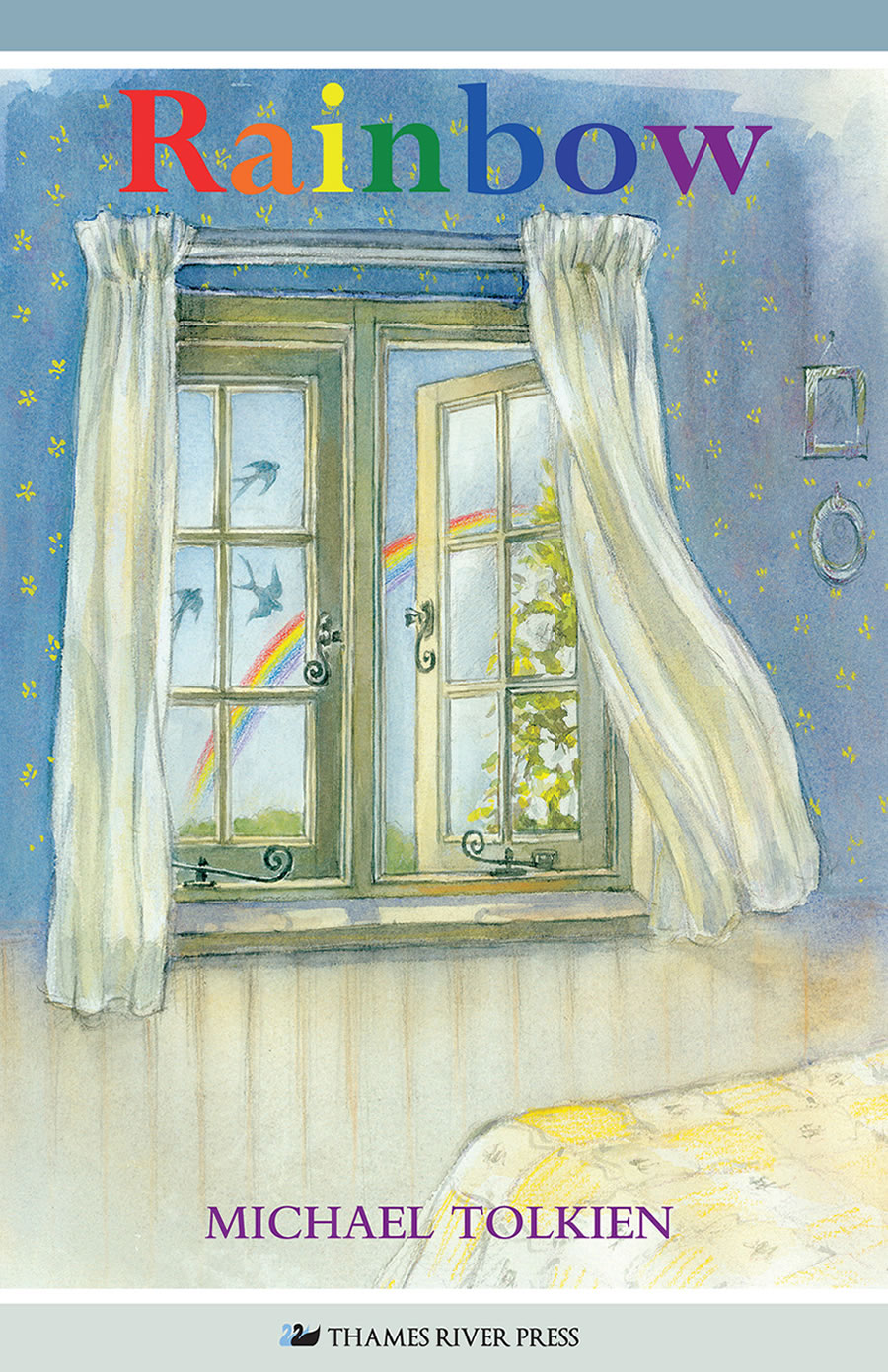
The Tolkien name carries a legacy that extends far beyond Middle-earth, continuing through new voices and fresh interpretations of fantasy. In Rainbow and Wish, Michael Tolkien draws on this tradition while reimagining classic children’s tales in his own distinctive poetic style. In this interview, he reflects on the inspiration behind these works, his approach to adapting older stories, and the role of fantasy in exploring deeper themes of perception, choice, and imagination.
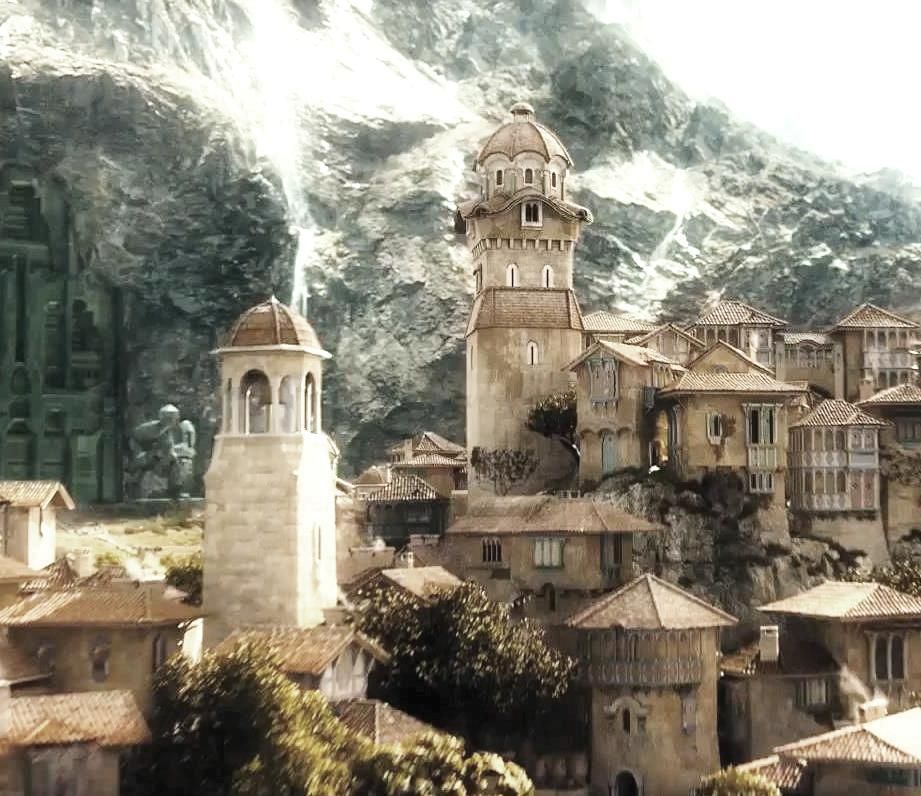
Peter Jackson’s The Hobbit: An Unexpected Journey brought Middle-earth back to the big screen with breathtaking visuals and grand ambition—but not without controversy. In this sharp and passionate review, James Dunning examines the film through the eyes of a devoted Tolkien reader, questioning where adaptation ends and invention begins.
Blending admiration with critique, the article explores both the magic of the cinematic experience and the uneasy distance it sometimes creates from Tolkien’s original story.

New research by author Christopher L. Robinson, a professor of English at HEc-paris, examines what makes the personal and place names of Tolkien's Middle-Earth so fitting. The nomenclature within Tolkien's novels is very carefully done, taking into consideration attributes such as etymology, symbolism, and onomatopoeia.
How does the modern Tolkien fan choose a major and a college that will help a large obsession with fiction become a career?
Product in the Spotlight!
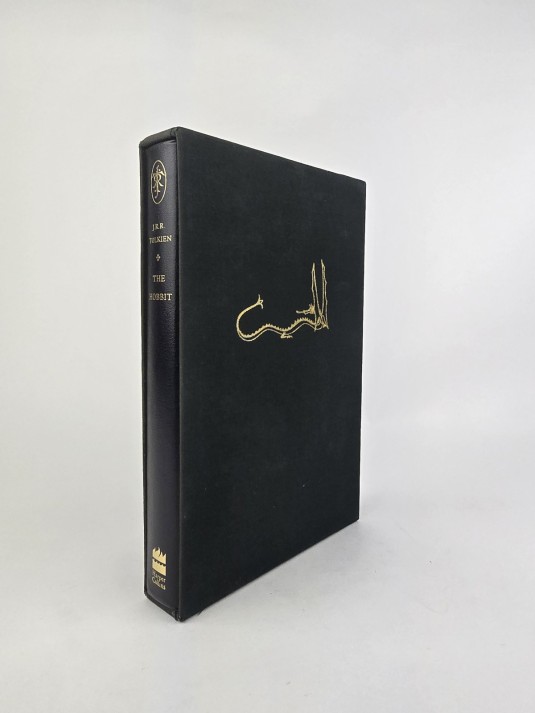
- Limited
- Deluxe
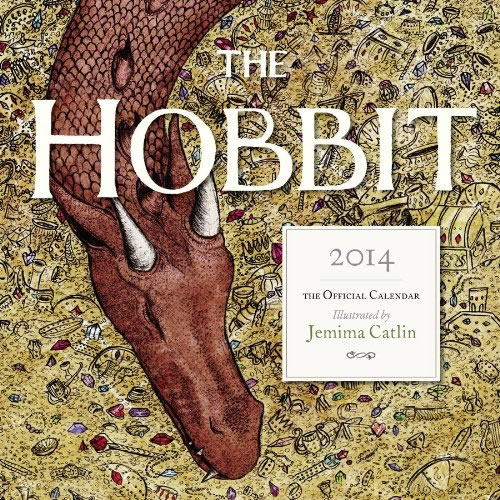
Each year, the official Tolkien calendar offers a new window into Middle-earth through the eyes of a different artist. For 2014, that vision is entrusted to Jemima Catlin—an emerging illustrator bringing a fresh and distinctive interpretation to The Hobbit.
With a style that blends charm, whimsy, and a touch of nostalgia, Catlin’s work promises to give both collectors and fans a new way to experience Tolkien’s world, marking this calendar as one to watch.
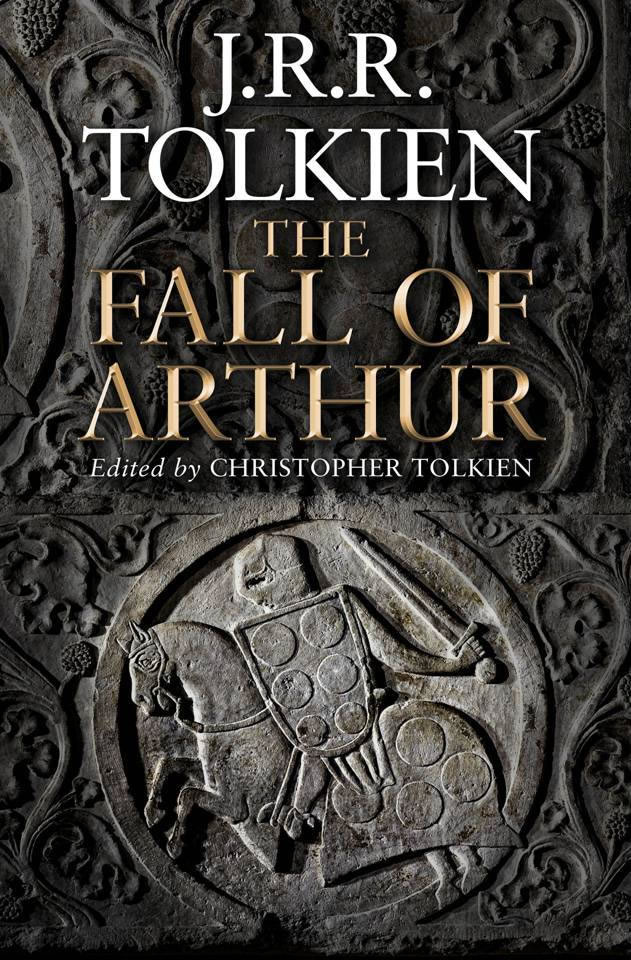
The publication of The Fall of Arthur marks a rare and significant moment for Tolkien readers, bringing to light one of his long-unfinished poetic works rooted in the Arthurian tradition. To celebrate this release, the original manuscript is now on public display—offering a unique glimpse into Tolkien’s creative process and the evolution of his ideas.
For scholars and enthusiasts alike, this exhibition provides an extraordinary opportunity to step closer to the source, where myth, language, and imagination first took shape on the page.
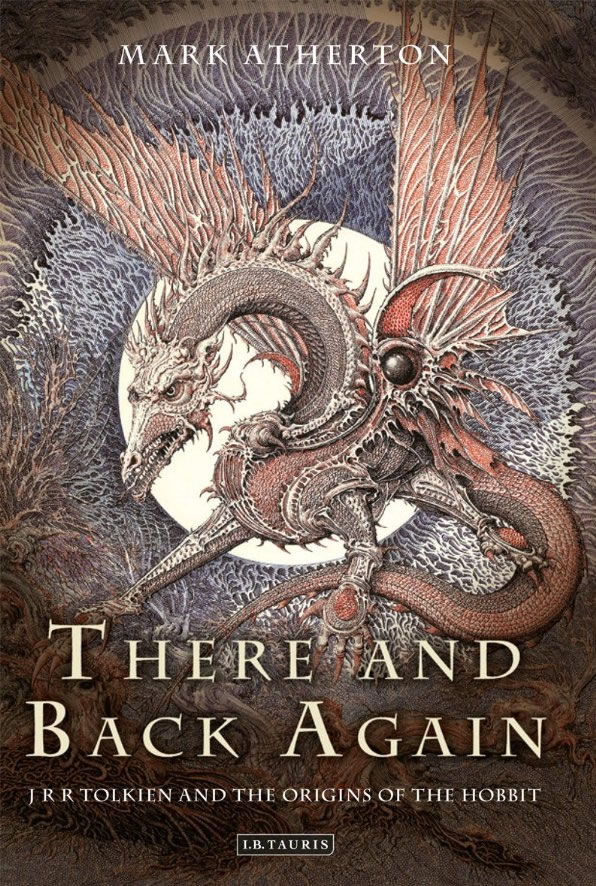
Understanding The Hobbit means looking far beyond the familiar journey of Bilbo Baggins and into the deeper roots of Tolkien’s imagination. In There and Back Again: J. R. R. Tolkien and the Origins of The Hobbit, Mark Atherton explores the rich web of influences—philological, literary, and personal—that helped shape Tolkien’s first published masterpiece. In this interview, Atherton discusses the ideas behind his research, the sources that informed Tolkien’s creativity, and how a closer examination of these origins can transform the way we read one of the most beloved stories in modern literature.
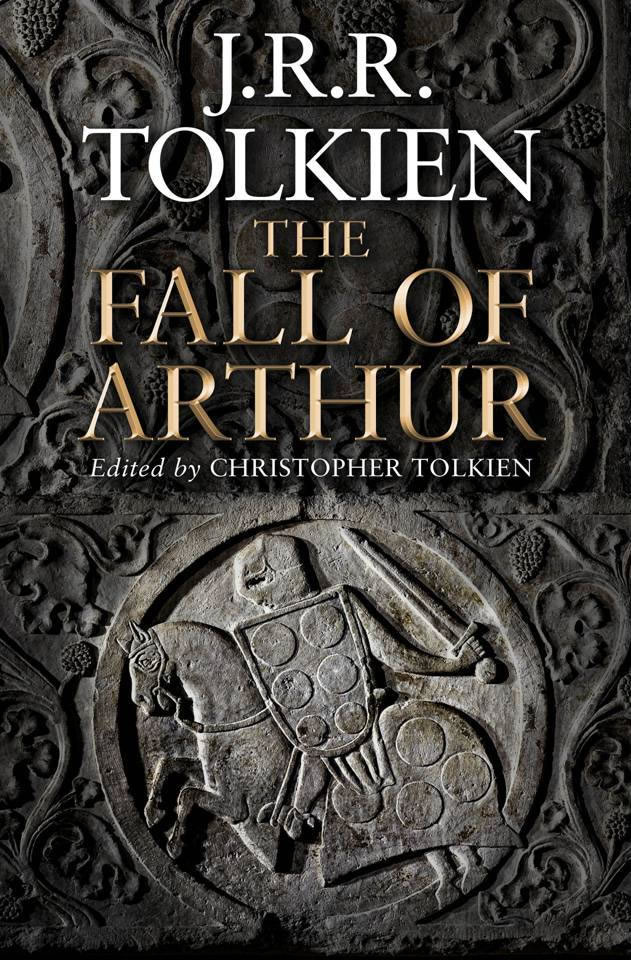
With the long-awaited publication of The Fall of Arthur approaching, anticipation is building among Tolkien readers and scholars alike. For those who have followed the scattered references to this unfinished poem over the years, its release promises not only a new work to explore, but a deeper insight into Tolkien’s engagement with the Arthurian tradition.
In this thoughtful piece, a longtime student of Tolkien’s work sets out to examine what we might expect—drawing on years of study to turn speculation into informed and testable ideas.
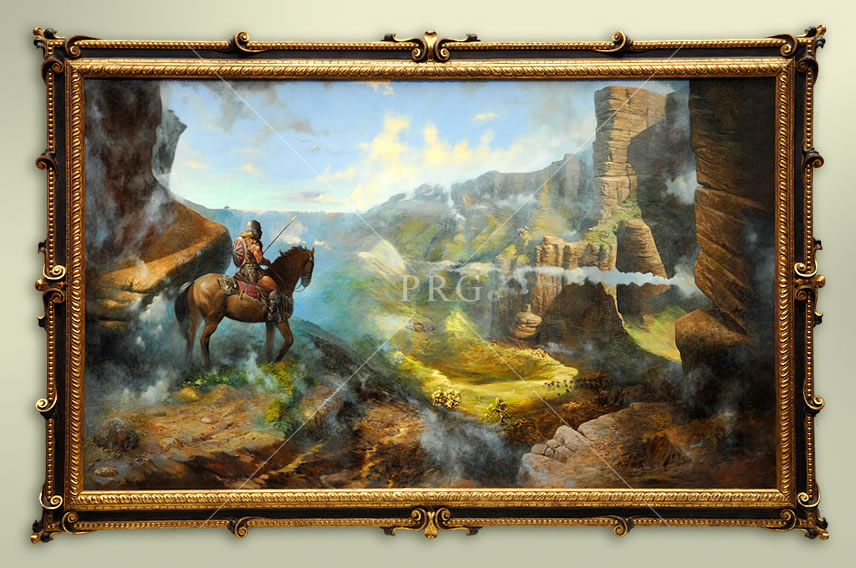
Not all Tolkien-inspired art follows the familiar paths shaped by well-known illustrators. Sometimes, it emerges from unexpected places—bringing with it a different tone, a different energy, and a different way of seeing Middle-earth.
Beyond Time and Place introduces the work of Paul Raymond Gregory, an artist whose roots lie as much in the world of music as in fantasy, offering a bold and often striking visual interpretation of Tolkien’s legendarium.
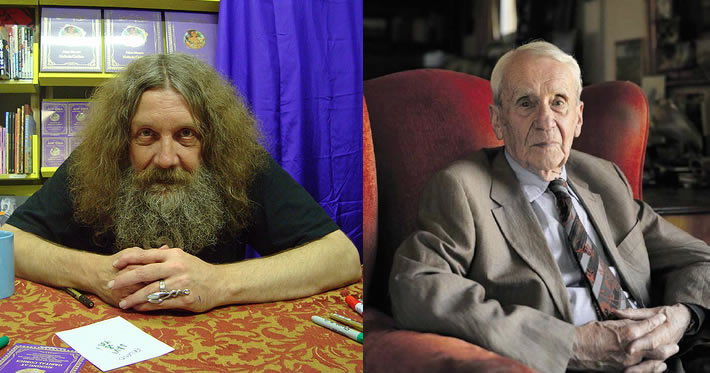
The release of a new Hobbit film inevitably invites debate among Tolkien fans. How should these adaptations be judged, and what do they truly add to—or take away from—the original work? With opinions divided between enthusiasm and disappointment, one must ask what impact such films have on the wider legacy of Middle-earth and its enduring appeal.
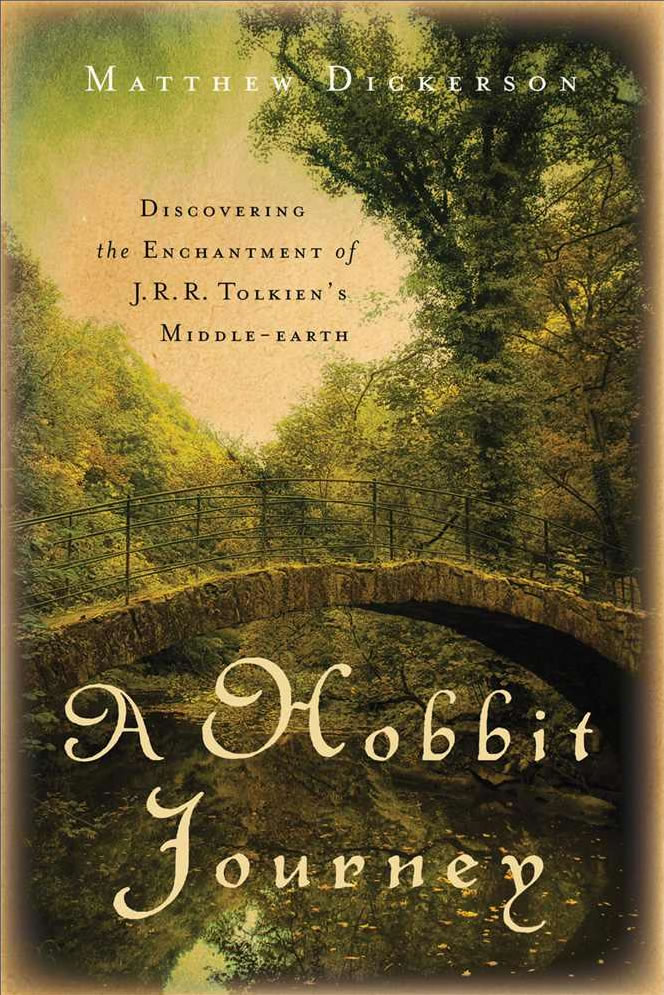
It is an indisputable fact that despite the today's increase in the children's books with urban fantasies, the tolkien's fantasy books still hold the number one position in children's reading lists.
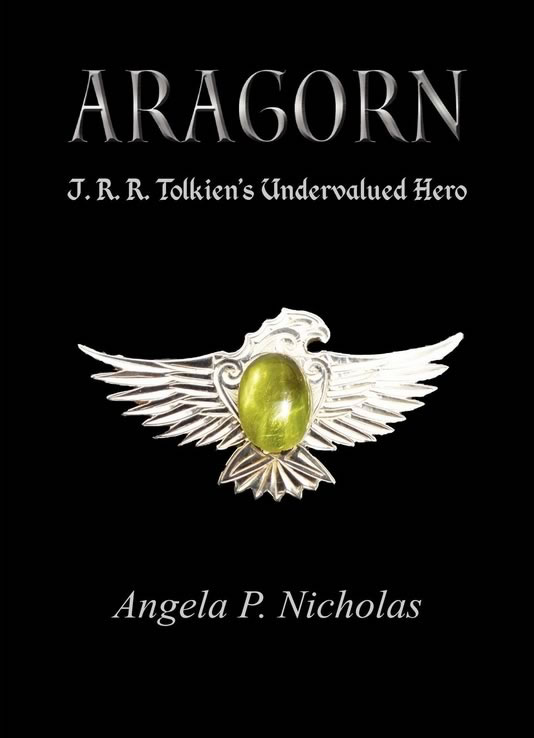
Aragorn stands at the heart of The Lord of the Rings, yet his true significance is often overshadowed by the more obvious heroes of the tale. In Aragorn: J.R.R. Tolkien’s Undervalued Hero, Angela P. Nicholas takes a closer look at this complex figure, exploring his lineage, his struggles, and his crucial role in the defeat of Sauron. In this interview, she discusses the inspiration behind her study, her approach to Tolkien’s text, and why a deeper understanding of Aragorn can offer a fresh perspective on one of the most important characters in Middle-earth.

Are you living in the USA and a serious Tolkien / Hobbit / Lord of the Rings collector? They are probably looking for you! ReelzChannel is now casting passionate collectors for a new show that celebrates all things Hollywood!

Across the Midlands, traces of Tolkien’s early life still linger in unexpected places—quiet landmarks that helped shape the imagination behind Middle-earth. Now, one of these sites, long overlooked and at risk, may finally be given a new future.
Plans are underway to restore Perrott’s Folly, a striking tower in Birmingham believed to have inspired the Twin Towers of The Lord of the Rings. If successful, the project will not only preserve a piece of local history, but also open it to the public for the first time in decades.
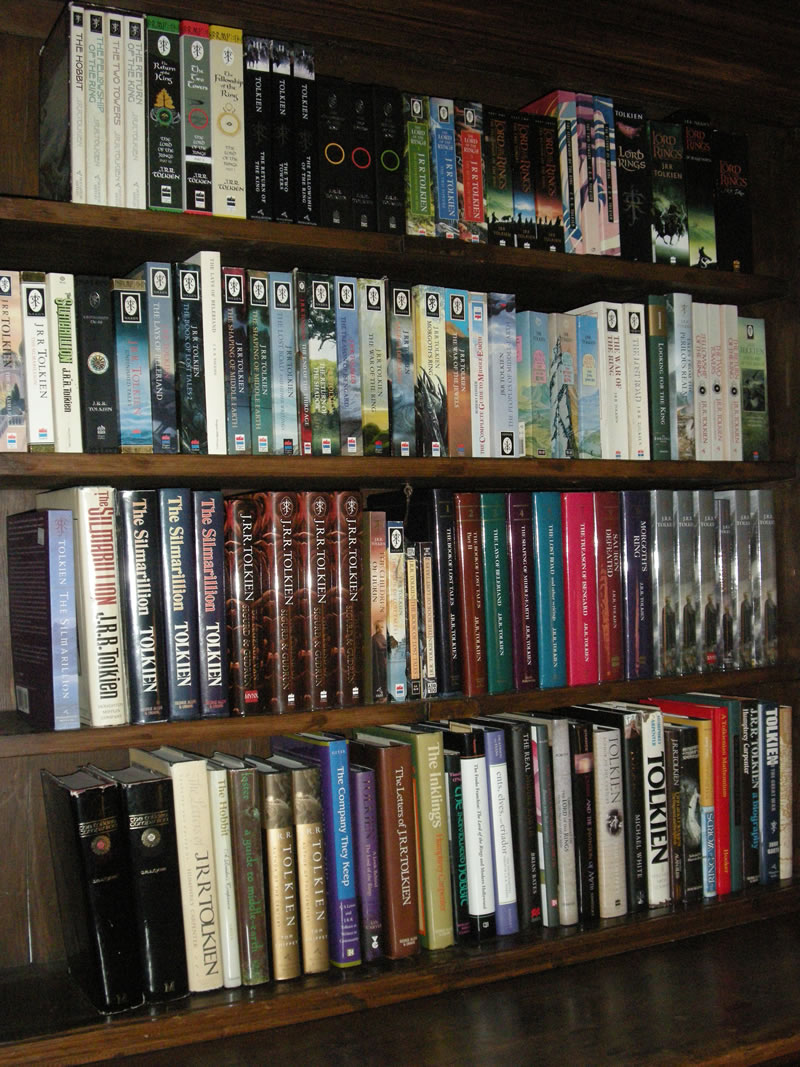
For anyone beginning to explore Tolkien beyond the familiar stories, one question returns again and again: where do you go next? With such a vast body of scholarship, biography, and commentary, finding the right starting point can feel overwhelming.
In this feature, we take that question head-on—offering a carefully chosen selection of essential books that open the door to Tolkien’s life, his work, and the deeper layers behind Middle-earth.
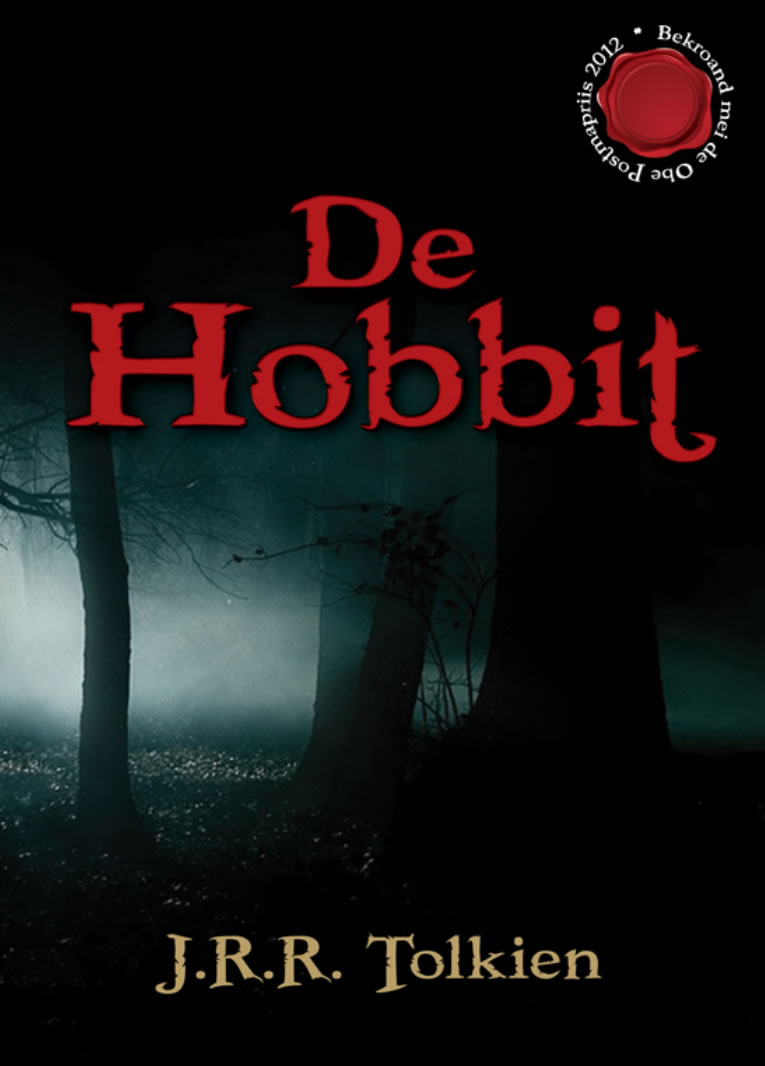
Translations of The Hobbit have long played an important role in bringing Tolkien’s story to new audiences, but some stand out for their cultural and literary significance. The Frisian edition by Anne Tjerk Popkema is one such example—praised for its quality and recently honoured with the prestigious Obe Postmapriis. To mark both this achievement and the 75th anniversary of Tolkien’s original work, a special limited hardcover edition has been released, offering collectors and readers alike a unique opportunity to experience Bilbo’s journey in a distinctive linguistic tradition.
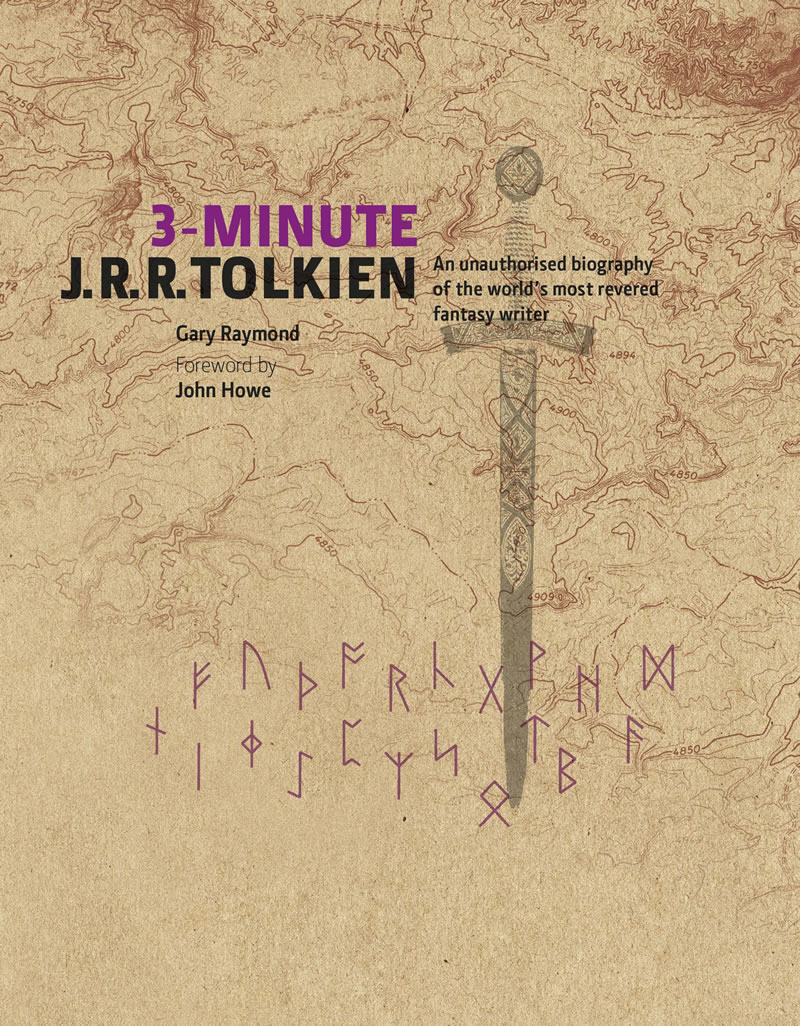
In this insightful interview, Gary Raymond and John Howe discuss the making of 3-Minute J.R.R. Tolkien: A Visual Biography—a work that distills the life of Tolkien into a richly illustrated and accessible form. Blending narrative and imagery, the book offers a fresh perspective on the man behind Middle-earth, and this conversation reveals the ideas and collaboration that brought it to life.
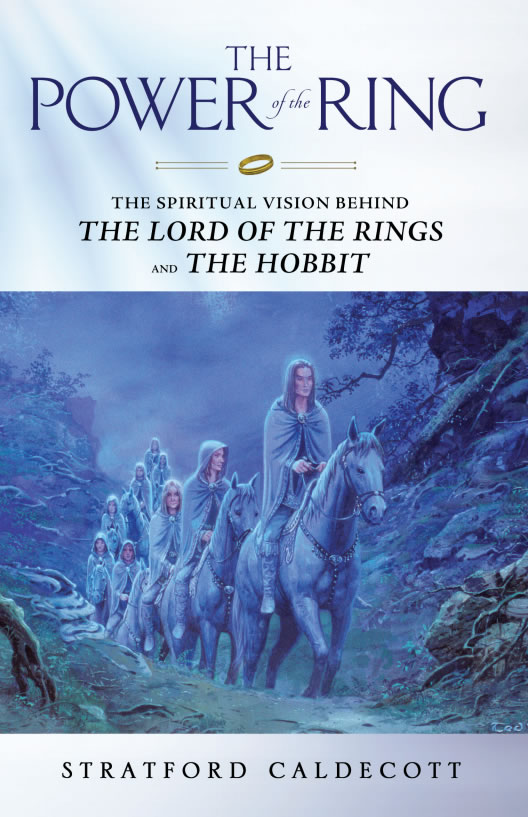
Why does The Lord of the Rings continue to captivate readers across generations, cultures, and beliefs? Beyond its sweeping landscapes and unforgettable characters lies something deeper—an undercurrent of meaning that resonates on a profoundly human level. In The Power of the Ring, Stratford Caldecott invites us to look past the surface of Tolkien’s legendarium and into the spiritual vision that shaped it. This is not merely a story of Middle-earth, but a reflection on virtue, sacrifice, and the enduring search for truth that gives Tolkien’s work its timeless power.
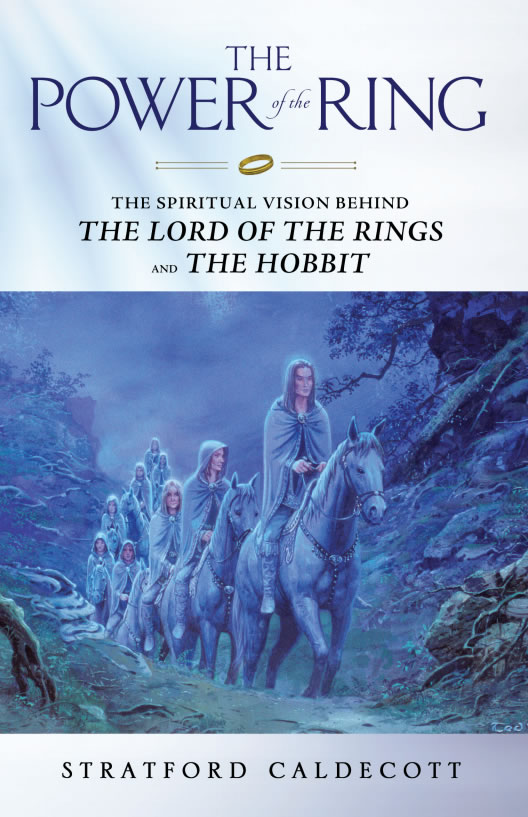
In this 2013 interview, Stratford Caldecott discusses the revised edition of The Power of the Ring and the spiritual vision behind Tolkien’s fiction. He reflects on faith, courage, suffering and the consolation of stories, explores the Catholic influences on The Hobbit and The Lord of the Rings, and considers what film adaptations preserve—and leave behind.
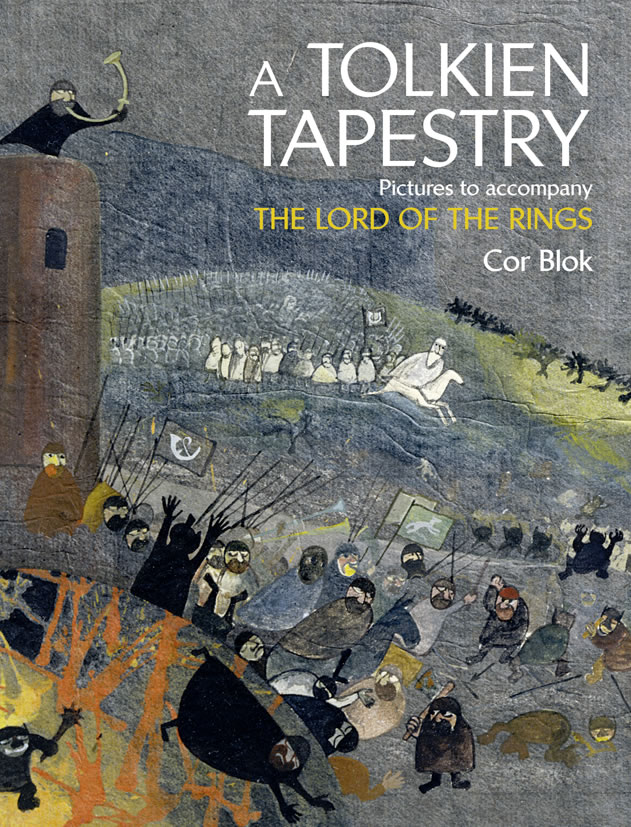
From time to time, even in the well-documented world of Tolkien art and collecting, pieces quietly slip out of sight. Paintings change hands, records are lost, and over the years even their creators can lose track of where their work has gone. This appeal brings attention to such a case: a number of striking Tolkien-inspired paintings by Dutch artist Cor Blok, once exhibited and admired, but now scattered and largely untraceable. With the help of the global Tolkien community, there is hope that these works—and the stories behind them—can be rediscovered.
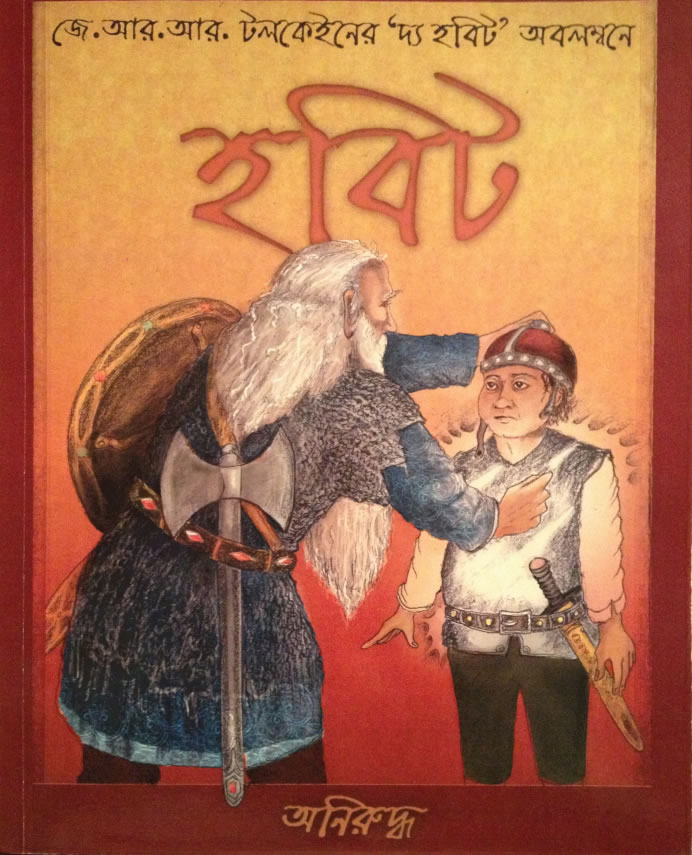
Tolkien’s works continue to cross linguistic and cultural boundaries, reaching readers far beyond their original language. With the publication of The Hobbit and The Fellowship of the Ring in Bengali, one of the world’s most widely spoken languages gains its place in Tolkien’s global legacy—opening Middle-earth to a vast new audience.
Finding the right Tolkien gift is not always about rarity or price—sometimes it is about choosing a book that invites someone into Middle-earth for the very first time. From charming pocket editions to beautifully presented volumes, there are plenty of thoughtful options that make perfect birthday presents for both new readers and longtime fans alike.
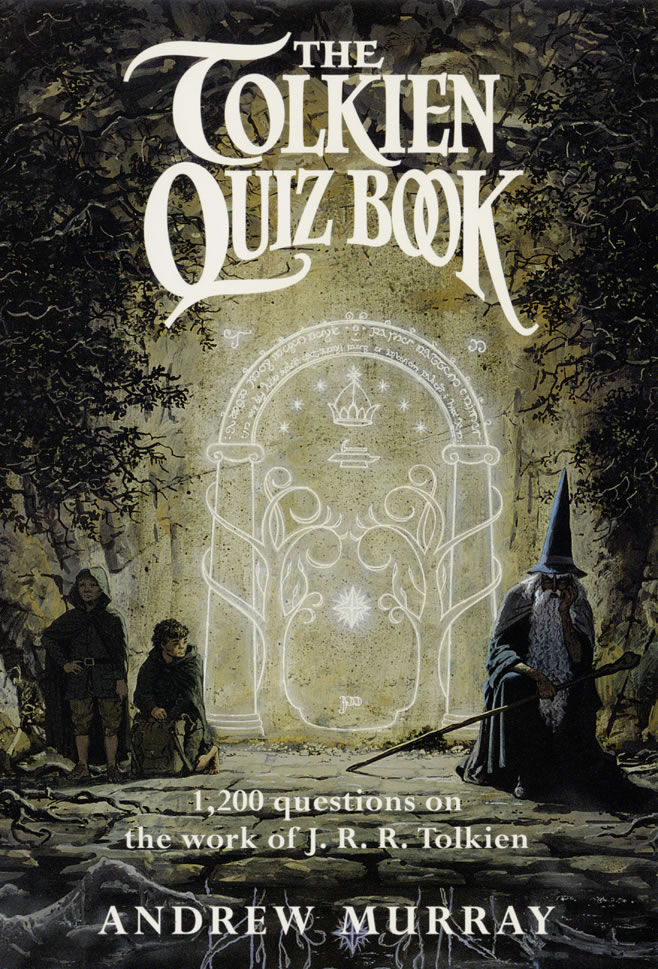
Tolkien’s world is rich in detail, filled with characters, places, and moments that reward even the most attentive reader. In The Tolkien Quiz Book, Andrew Murray brings this depth to life through more than 1,200 questions that challenge fans to test—and expand—their knowledge of Middle-earth. In this interview, Murray reflects on how the book came to be, the process of uncovering Tolkien’s many hidden details, and why exploring the legendarium through questions can be just as rewarding as reading the stories themselves.
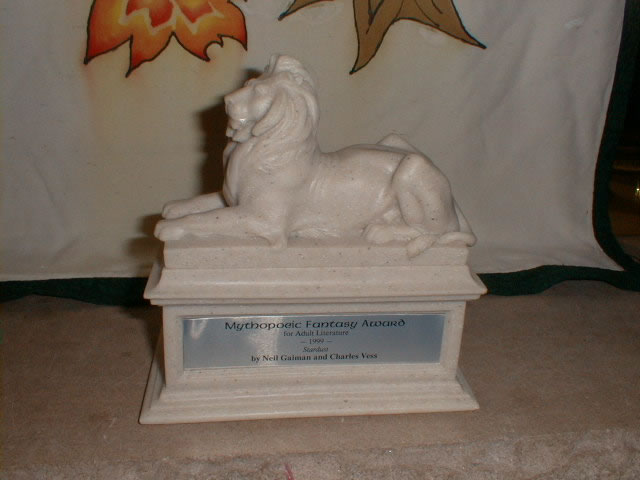
Individual members of the Mythopoeic Society are invited to nominate books for the 2013 Mythopoeic Awards, and to volunteer to serve on any of the committees. The deadline for committee volunteers and for nominations is February 1, 2013

Few places in Tolkien’s legendarium feel as real and lived-in as Bag End—the quiet heart of Hobbiton and the starting point of adventures that would shape Middle-earth. Yet behind this beloved fictional home lies a very real place, rooted in the English countryside and in Tolkien’s own family history. In this fascinating essay, Andrew H. Morton takes us beyond the pages of The Hobbit and The Lord of the Rings, uncovering the true origins of Bag End and exploring how landscape, memory, and tradition helped shape one of literature’s most enduring settings.
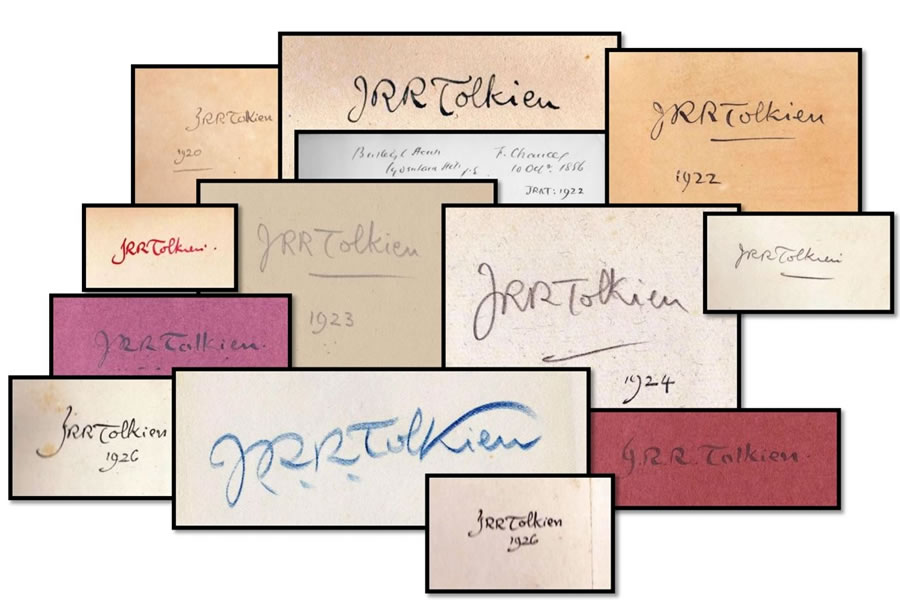
Behind the mythology of Middle-earth lies Tolkien’s lifelong work as a philologist. The materials preserved at the Cushing Memorial Library offer a rare glimpse into his scholarly world—his books, his notes, and the ideas he explored. They reveal how closely his academic study of language was intertwined with the creation of his legendarium.
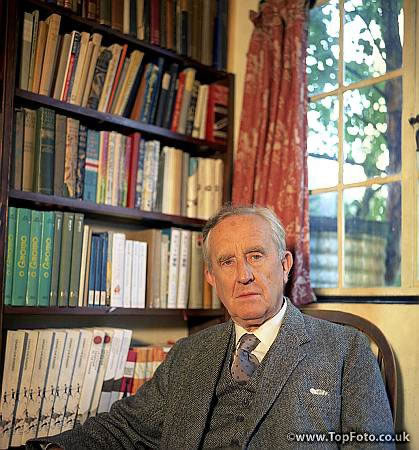
John Ronald Reuel Tolkien was born on 3 January 1892, in Bloemfontein in the Orange Free State (now Free State Province, part of South Africa). If Tolkien was alive today he would celebrate his 121st birthda on January 3 2013. And because he lives on in our hearts we do celebrate his birthday every year!

Few literary friendships have had as profound an impact on modern storytelling as that of C.S. Lewis and J.R.R. Tolkien. Bound by a shared love of myth, language, and imagination, their conversations and mutual encouragement helped shape some of the most beloved works of the twentieth century. This article explores the origins of their friendship, their time within the Inklings, and the lasting influence they had on each other’s writing and ideas.
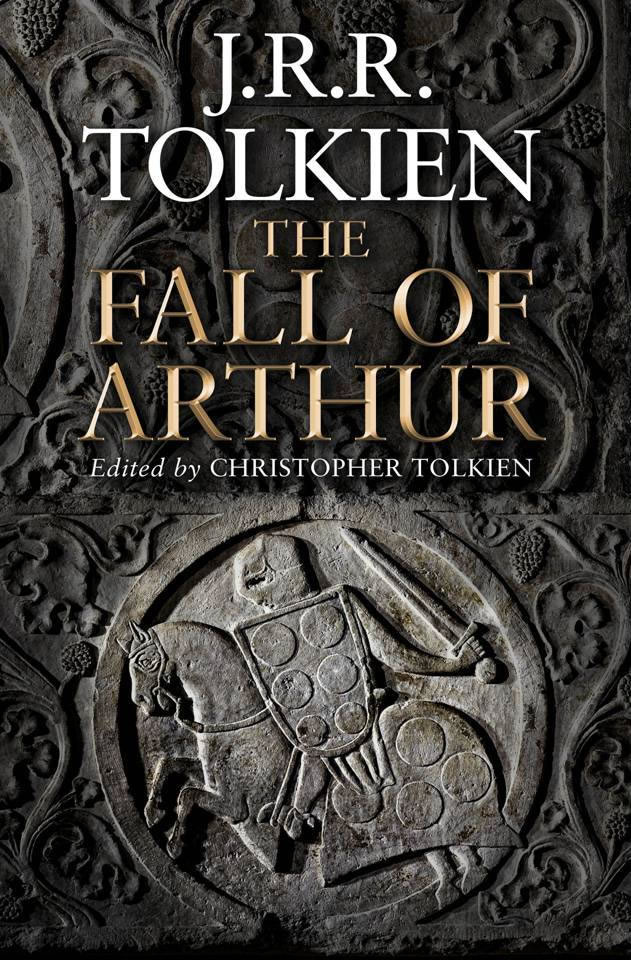
From time to time, a long-lost piece of Tolkien’s writing resurfaces—offering a rare glimpse into another corner of his creative world. The Fall of Arthur is one such work: a powerful and unfinished poem that brings Tolkien’s voice to the legends of King Arthur, blending his mastery of language with one of Britain’s most enduring myths.
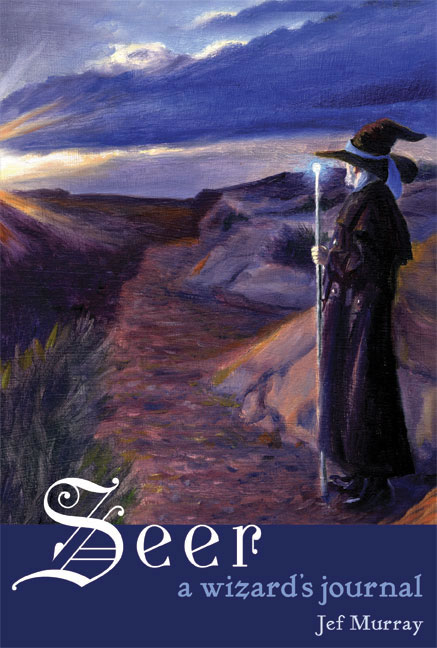
Artist and author Jef Murray discusses Seer: A Wizard’s Journal, a collection of stories, poems, essays and illustrations shaped by faith, wonder and the changing seasons. In this interview, he explains how the book grew from his monthly newsletter, how writing and painting inform one another, and why its wizard should not be mistaken for the author himself.
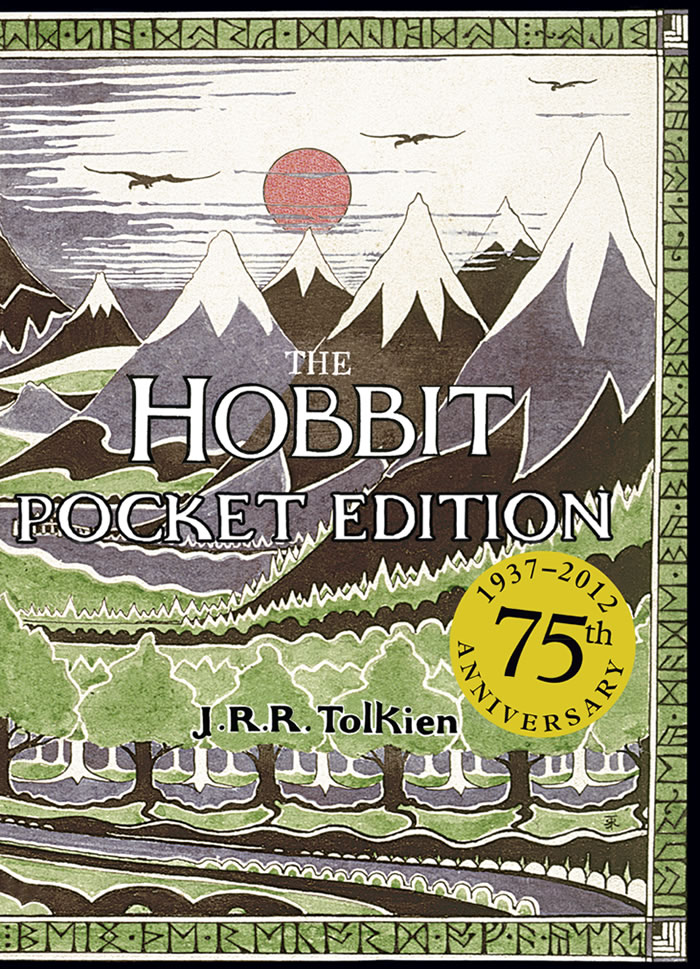
Seventy-five years after its first publication, The Hobbit remains as enchanting as ever. To mark this milestone, a charming pocket-sized edition was released—bringing Tolkien’s beloved tale into a format that feels as intimate and inviting as the story itself. Small in size, but rich in character, it’s a fitting tribute to a book that continues to captivate readers of all ages.
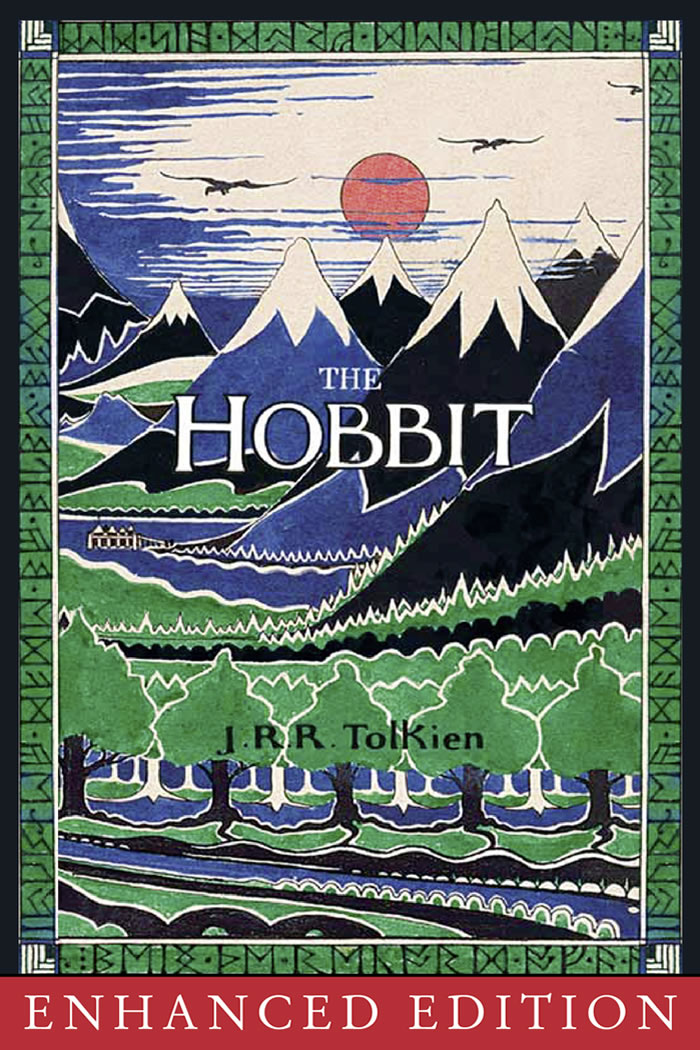
As reading moves increasingly into the digital world, even Tolkien’s most beloved works find new ways to be experienced. The Hobbit Enhanced Edition brings the classic tale to life in a different form, combining the original text with audio recordings, illustrations, and interactive features. It offers both longtime readers and newcomers a fresh way to step once more into Middle-earth.
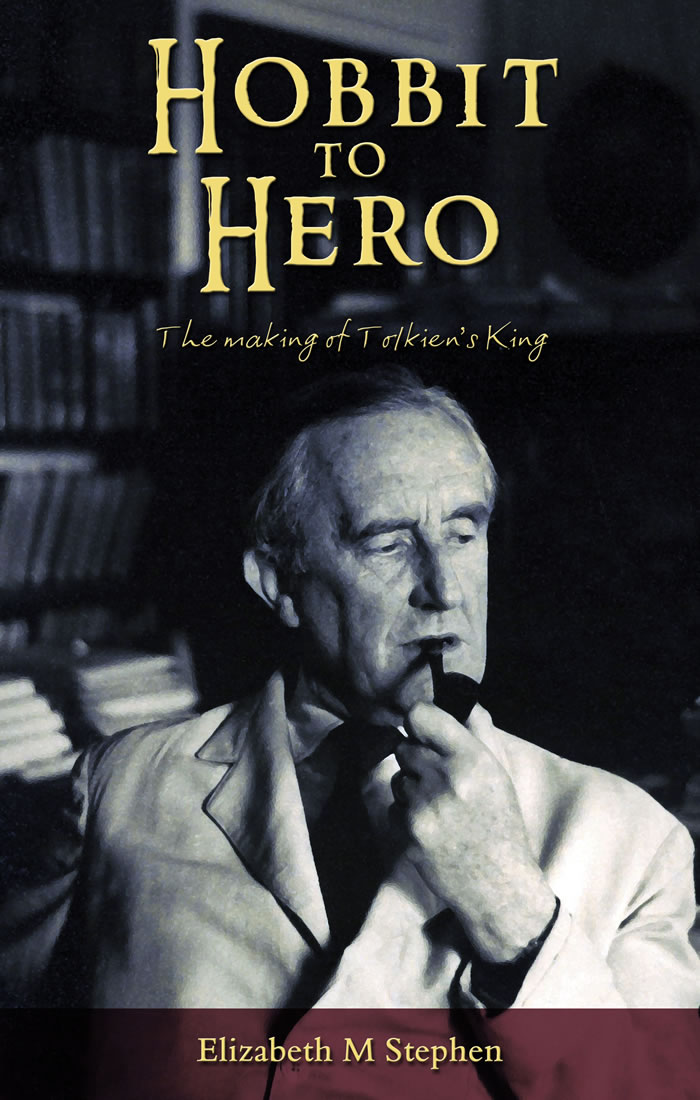
Aragorn’s journey from a shadowy ranger to the rightful King of Gondor is one of the most compelling arcs in Tolkien’s legendarium—yet the depth of his development is often overlooked. In Hobbit to Hero: The Making of Tolkien’s King, Elizabeth M. Stephen explores the origins, evolution, and significance of this central figure, tracing his transformation from the early concept of “Trotter” to the fully realized hero of The Lord of the Rings. In this interview, she discusses the research behind her work, the influences that shaped Aragorn’s character, and why a closer study reveals him to be one of Tolkien’s most profound creations.

Few authors have left a mark on the world quite like Tolkien. His influence stretches far beyond the pages of his books, finding its way into streets, landmarks, and even places far beyond our own world. This collection of locations named in his honour offers a fascinating glimpse into the global legacy of a writer who continues to inspire generations.
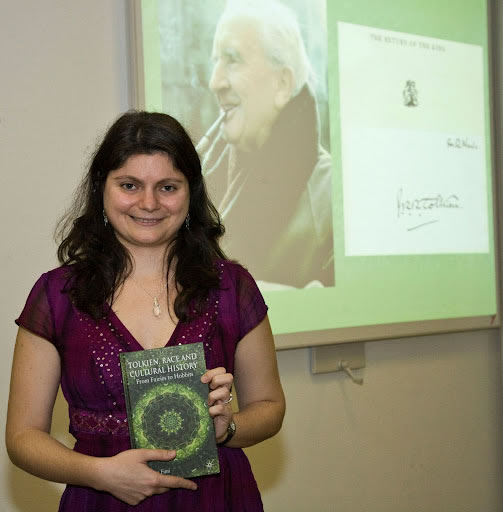
Tolkien scholarship continues to evolve, finding new audiences and new ways of engagement in an increasingly digital world. Dr. Dimitra Fimi—well known for her award-winning work Tolkien, Race and Cultural History—has been at the forefront of this development, bringing her expertise to students across the globe through online courses dedicated to Tolkien’s life, influences, and mythology. In this interview, she reflects on the experience of teaching Tolkien in a virtual environment, the structure and ambitions of her courses, and why academic study of Middle-earth remains as relevant and inspiring as ever.
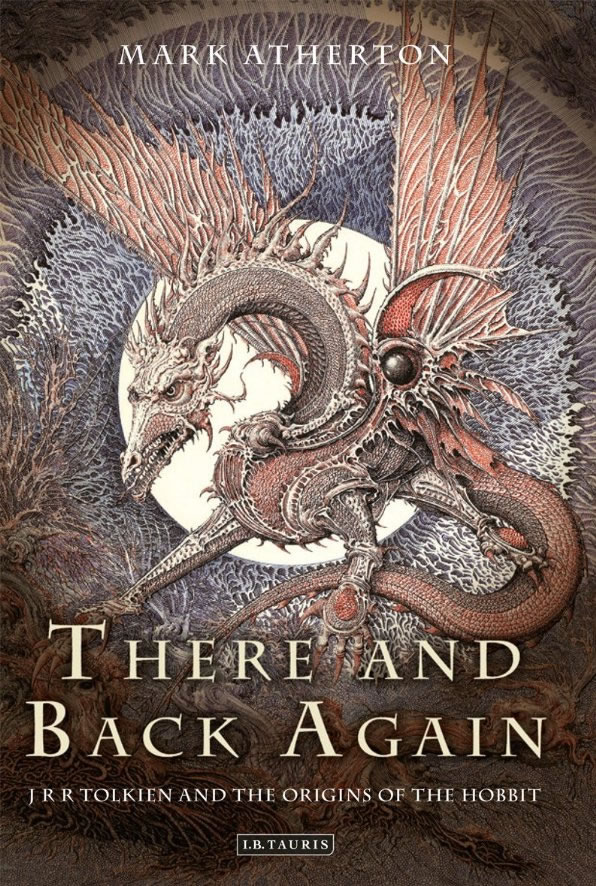
What shaped the imagination behind The Hobbit? In There and Back Again, Mark Atherton explores the rich web of influences—literary, historical, and personal—that gave rise to Tolkien’s first great journey into Middle-earth. It is a thoughtful look at how a simple tale of adventure grew from deep roots into one of the defining works of modern fantasy.
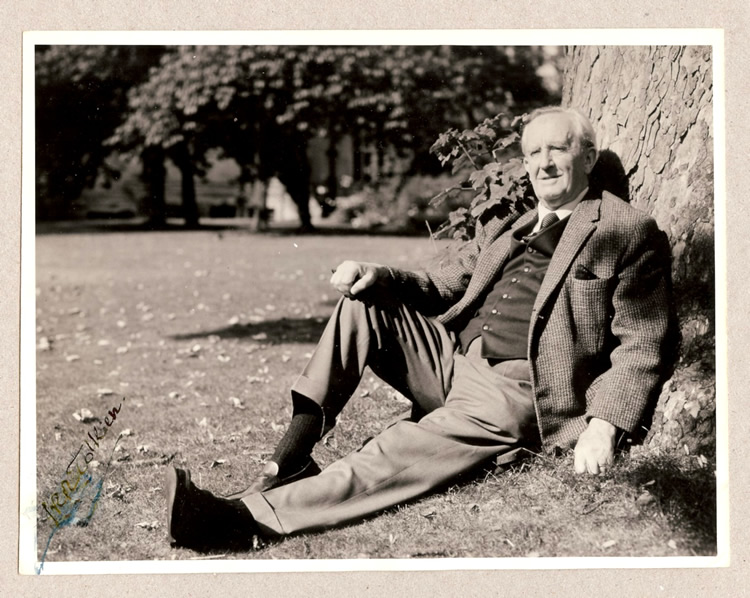
Since there are many Tolkien fans and Middle-earth lovers who are also vivid writers and do have a desire to write about their passion, I get many emails from Tolkien friends who want to know if I accept guest posts and articles by guest bloggers on Tolkienlibrary.com, and if that is the case, what are the guidelines. The answer to the first question is: Yes, I do accept guest posts.
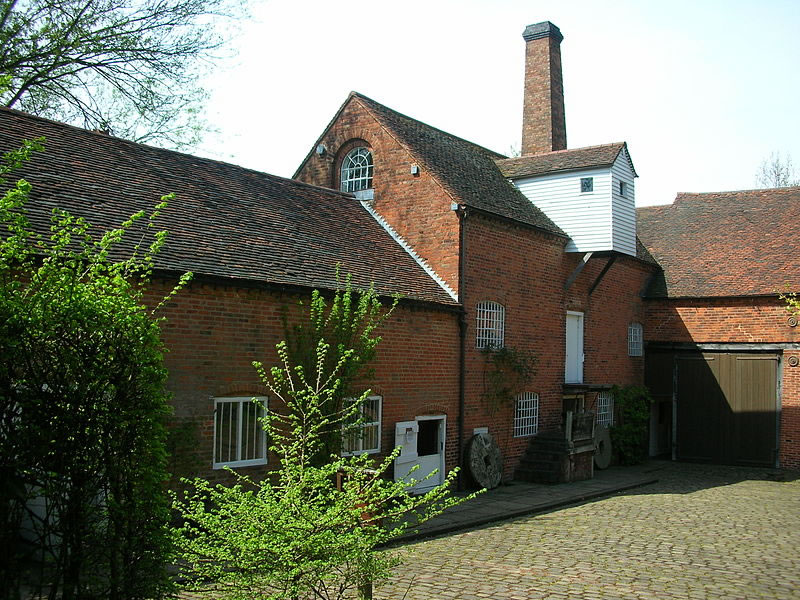
What if you could step beyond the pages of Middle-earth and walk the landscapes that helped shape it? From quiet English villages to dramatic alpine valleys, the real world is filled with places that echo Tolkien’s imagination. This journey through fifteen remarkable locations offers a chance to explore the settings, inspirations, and memories that lie behind one of the greatest mythologies ever written.
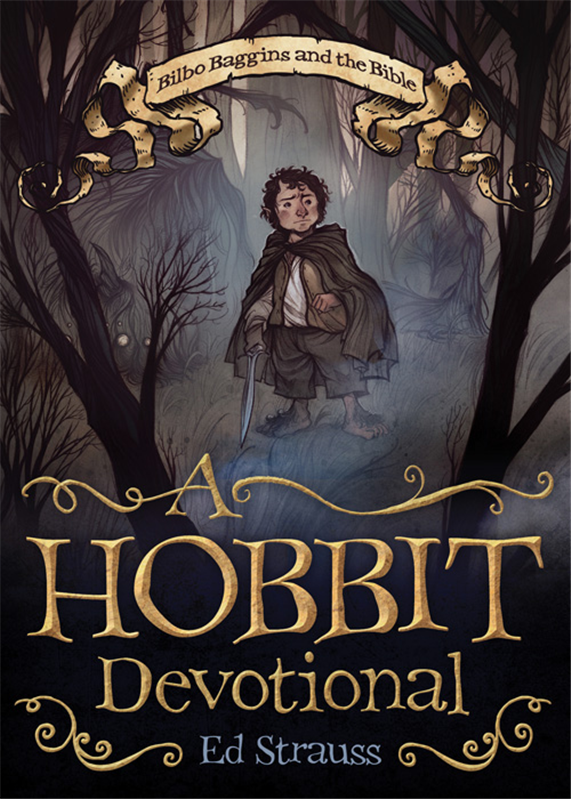
Tolkien’s stories have long inspired readers on many levels—adventure, imagination, and meaning. In A Hobbit Devotional, Ed Strauss takes a different approach, drawing thoughtful connections between Bilbo’s journey and everyday life through a series of reflective readings. It’s an accessible and engaging way to explore the enduring themes behind The Hobbit, seen through a spiritual lens.
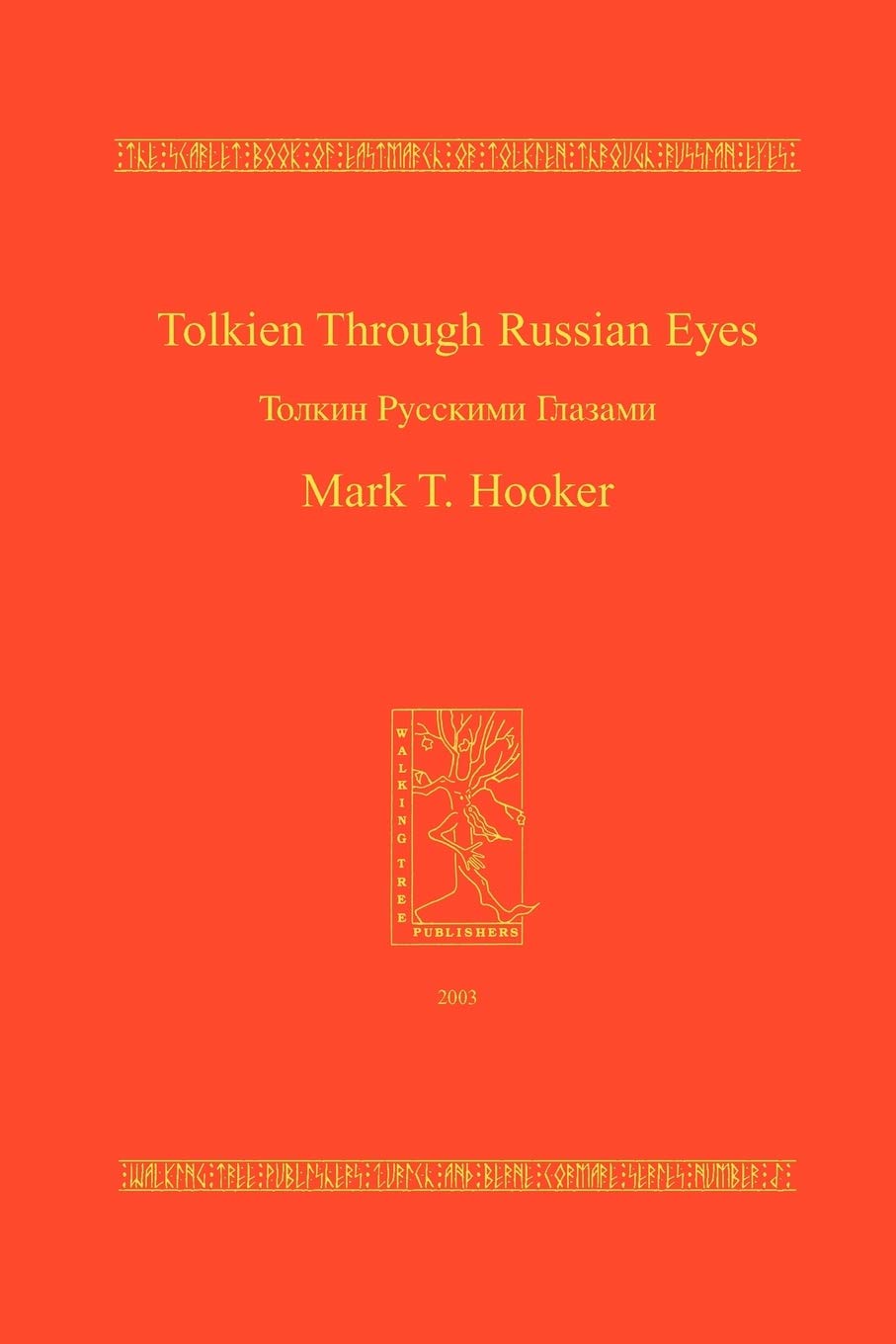
The winner of the highly coveted Beyond Bree Award was announced during The Return of the Ring at Loughborough University. The award was bestowed on Mark T. Hooker, the author of a number of books on J.R.R. Tolkien, including Tolkien Through Russian Eyes and Tolkien and Welsh.
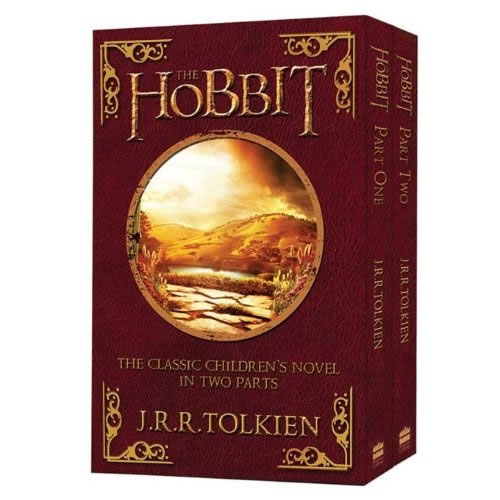
As excitement builds around new adaptations of The Hobbit, publishers continue to find fresh ways to present Tolkien’s beloved classic. This two-part children’s edition offers a thoughtful return to the story’s original charm—inviting a new generation of readers to experience Bilbo’s journey in a format that feels both timeless and accessible.
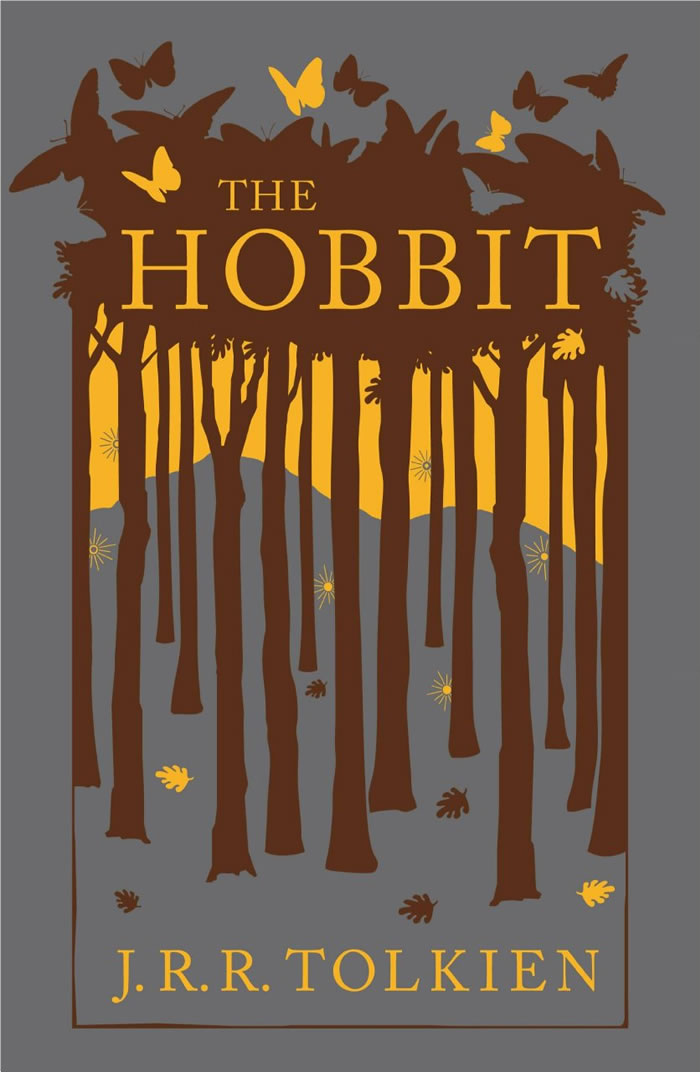
With every new edition of The Hobbit, expectations run high—but occasionally a release manages to surprise even seasoned collectors. This special collector’s edition stands out not through spectacle, but through restraint: a beautifully designed cover that captures the quiet magic of Middle-earth while remaining true to Tolkien’s original spirit. Sometimes, less truly is more.
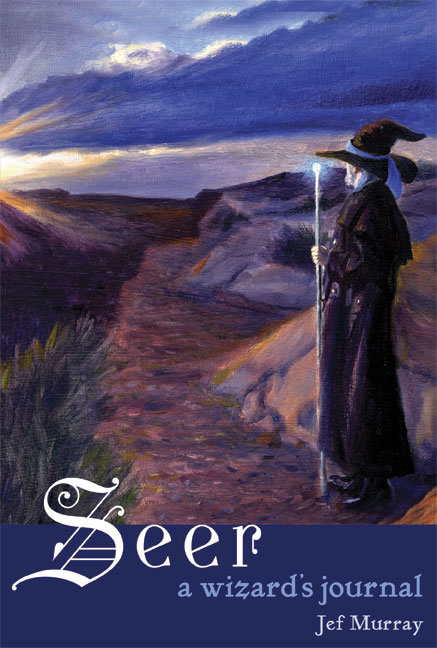
Few contemporary artists have captured the spirit of Middle-earth quite like Jef Murray. In Seer: A Wizard’s Journal, he steps beyond illustration to share a deeply personal blend of stories, reflections, and artwork—inviting readers into a quieter, more contemplative corner of the fantasy world. Paired with his Middle-earth calendar, this release offers a rich and imaginative journey through the seasons.
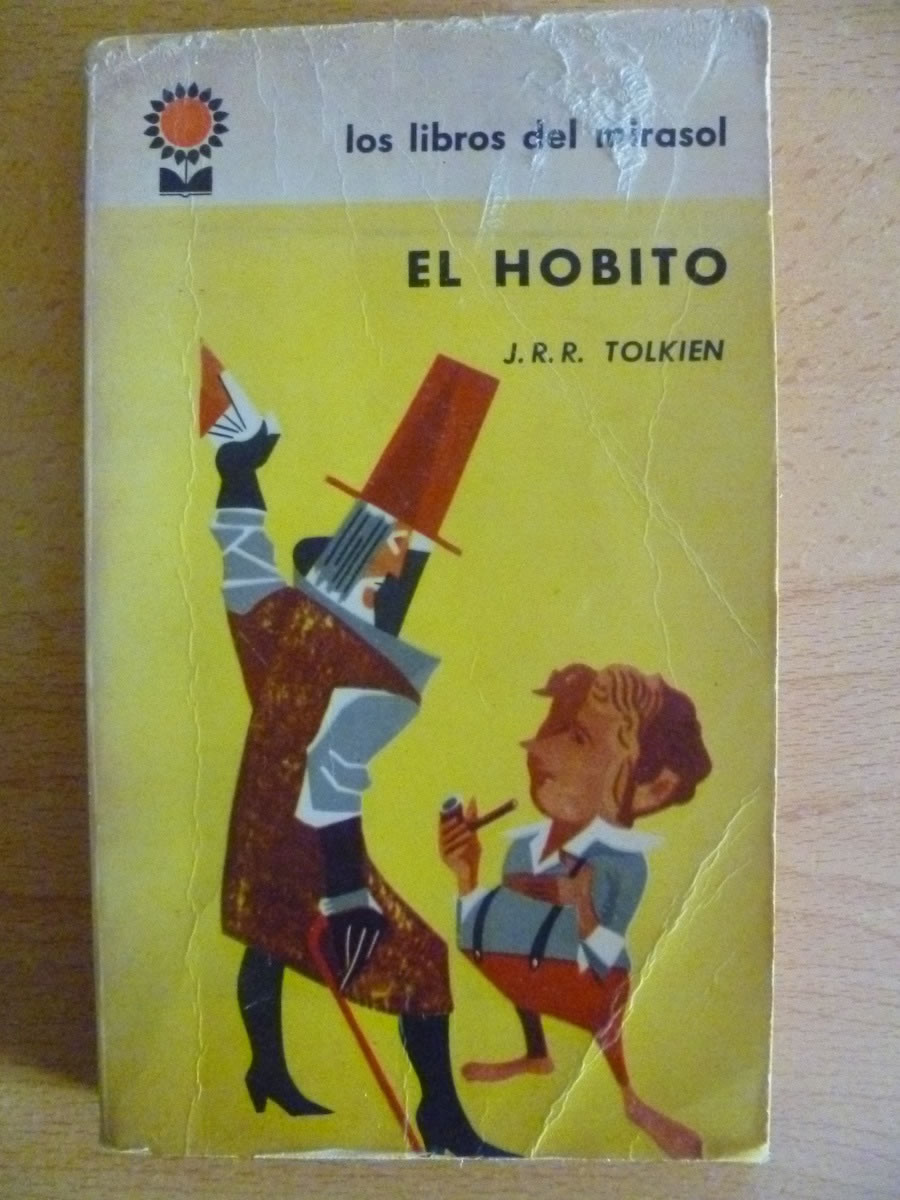
Every so often, a book tells a story far beyond its printed pages. This signed copy of El Hobito is one such treasure—linking Tolkien, his family, and a moment of quiet generosity in the days surrounding his passing. It is not only a rare edition, but a deeply personal artifact that carries with it a remarkable and moving history.